Tourexpi

Istanbul’s historic Spice Bazaar welcomes up to 60,000 visitors a day
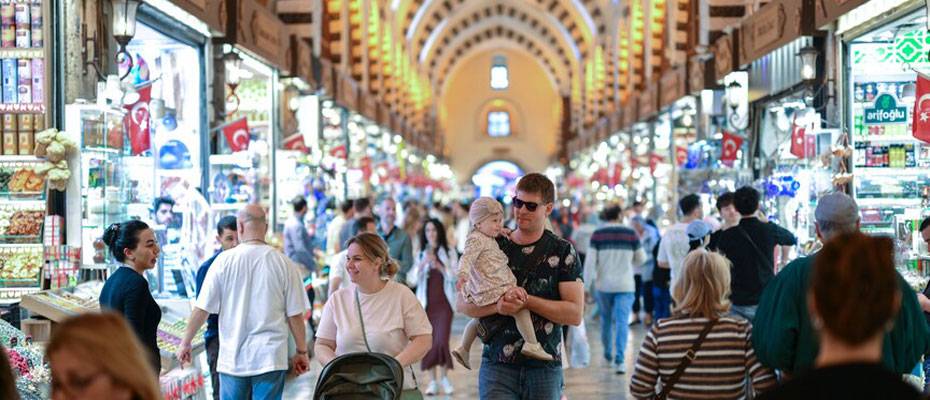
Almost four centuries after its construction during
the Ottoman era, Istanbul’s Spice Bazaar continues to play a central role in
the city’s commercial and cultural life. Welcoming between 50,000 and 60,000
visitors each day, the historic marketplace attracts both international and
domestic travellers while preserving centuries-old trading traditions.
Also known as the Egyptian Bazaar, the market earned
its name because spices and goods from Asia reached Istanbul via Egypt before
being distributed throughout the Ottoman Empire.
“This place is not just a building made of bricks and
stones but an important center showcasing our history and culture, and carrying
them beyond Istanbul’s borders,” said Fehmi Yılmaz, Professor of History at
Marmara University.
According to Yılmaz, historical records show the
bazaar originally served as a major distribution centre where imported spices
were allocated among merchants before being shipped across Anatolia and
Rumelia.
Living heritage with multi-generational businesses
Today, the Spice Bazaar is home to around 120 shops,
with approximately 80% of its retail space dedicated to regional nuts, herbs
and exotic spices. Many of the businesses have been passed down through
generations, preserving traditional family ownership while serving a global
customer base.
“The bazaar is a crossroads — it’s a street, a
culture, and a way of life, and it’s a place where people from many different
nations gather, where one may meet anyone here,” said Sami Koyuncu, President
of the merchant association Mısır Çarşısı 1664.
The market operates seven days a week and supports
significant local employment. Each shop employs an average of seven to eight
staff members, many of whom speak several languages to assist international
visitors.
A marketplace and showcase for regional products
Beyond its commercial role, the bazaar promotes
Türkiye’s regional specialities, allowing visitors to discover products such as
pistachios from Gaziantep and Siirt alongside spices and delicacies from around
the world.
“People can find items and products here that aren’t
found in local markets or other stores,” Koyuncu said. “The bazaar offers
products from all over the world. The newest merchants here have been in
business for 20 to 25 years, as these stores are passed down from father to
son, spanning generations.”
Historic architecture meets modern tourism
The Spice Bazaar survived a major fire in 1940 before
reopening after restoration in 1943. A comprehensive renovation completed in
2018 modernised the complex while preserving its 17th-century architectural
character.
The market also supports the surrounding neighbourhood
by generating business for nearby textile shops, bead merchants and traditional
restaurants.
According to Koyuncu, the bazaar continues to attract
large numbers of visitors from Spain, Greece and Latin America. While recent
geopolitical tensions in the Middle East have slightly affected regional
tourism, major holidays such as Ramadan and Eid al-Adha continue to bring
strong increases in both domestic and international visitor numbers.
Image Credit: © AA
The most interesting news
 Read the News

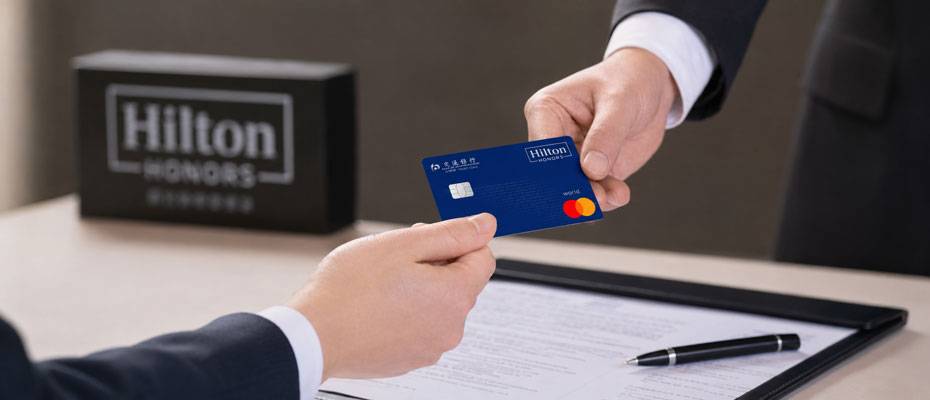
Hilton launches co-branded Mastercard credit cards in China
Partnership with Bank of Communications links everyday spending to Hilton Honors benefits, hotel stays and travel rewards at more than 9,400 properties worldwide
 Read the News
IHG and Live Nation link hotel stays with concert experiences in Greater China
IHG One Rewards members will gain access to hotel and concert packages in Hong Kong and Taiwan as the hotel group expands its loyalty programme into live entertainment
 Read the News

Germany: Domestic travel reaches record high in 2025
German travelers took 169 million overnight domestic trips, while international travel declined sharply and business travel almost returned to pre-pandemic levels
 Read the News
Europe captures one-third of global leisure travel spending
Travelers spent $2 trillion on leisure trips in Europe in 2025, while Italy, Spain and Türkiye are expected to drive further growth as Southern Europe strengthens its global tourism position
 Read the News
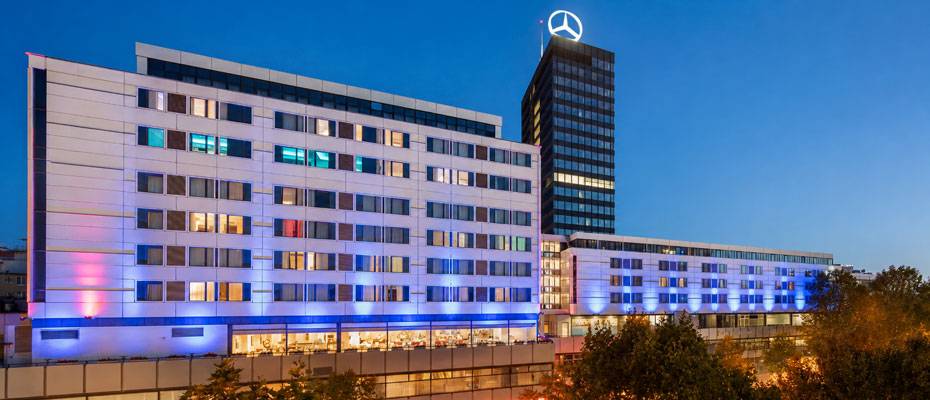
Hotel Palace Berlin to become Hyatt Regency in 2027
The 278-room City West property will undergo a phased renovation before joining Hyatt Regency and World of Hyatt in early 2027
 Read the News
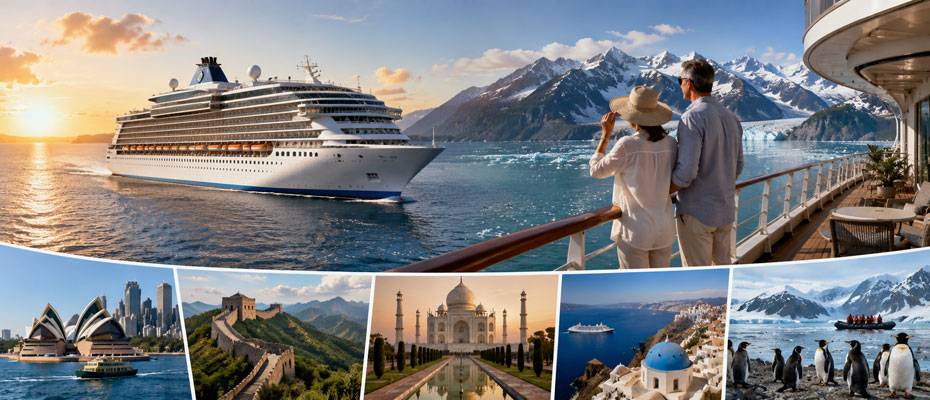
World cruise bookings rise as luxury travellers seek longer journeys
Pavlus Travel & Cruise reports bookings up more than 20 percent for 2026 as new routes, remote destinations and improved onboard connectivity broaden the appeal of months-long voyages
 Read the News

Egyptian Tourism Authority joins WTTC as Destination Partner
New partnership aims to strengthen public-private cooperation, support sustainable tourism growth and raise Egypt’s profile among travelers and investors
 Read the News
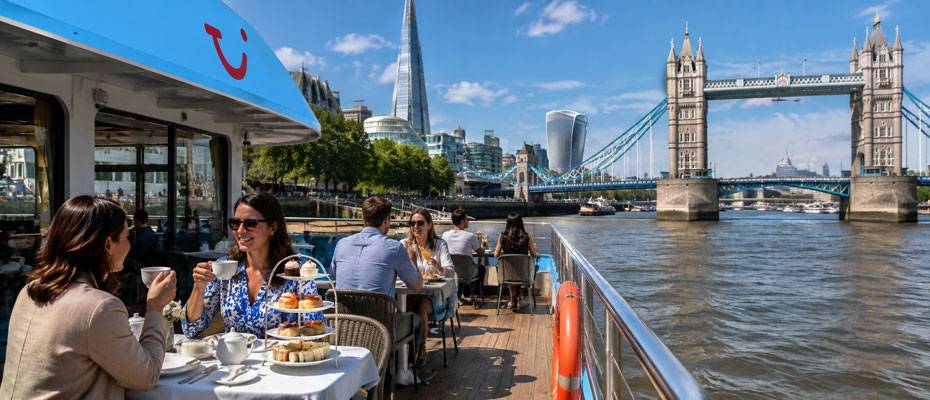
TUI Musement launches premium dining cruises on London’s Thames
Four new cruise experiences combine views of the British capital with afternoon tea, brunch, dinner and coffee, with prices starting at £22 per person
 Read the News
Atlas Ocean Voyages turns solar eclipse into expedition experience
Guests aboard three expedition yachts witnessed totality from the Mediterranean and North Atlantic after more than two years of planning
 Read the News
Incheon becomes world’s busiest airport for international passengers
South Korean hub handled 38.39 million international travellers in the first half of 2026, overtaking London Heathrow and Singapore Changi
 Read the News
PAZ Travel Fair expects up to 7,000 visitors in Ilsede
Benzer Touristik, Peiner Allgemeine Zeitung and Fuhrmann Mundstock will bring travel providers and holidaymakers together on November 14 and 15, with more than 30 international partners already confirmed
 Read the News
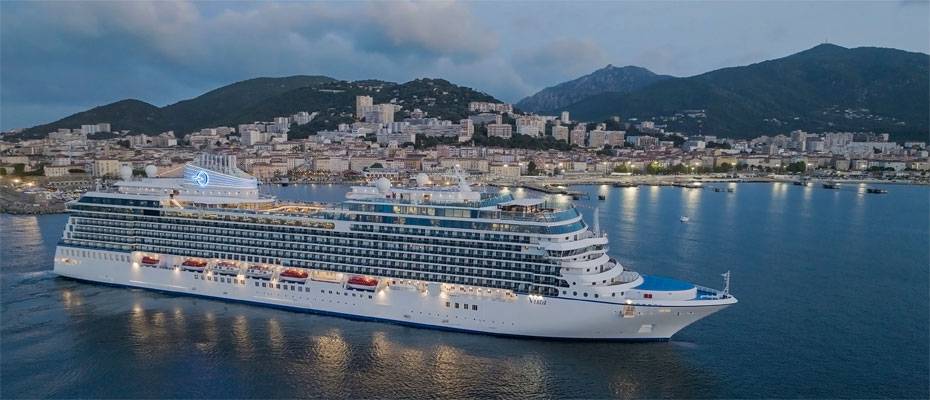
Oceania Cruises puts longer voyages at the heart of global exploration
From 31-day ocean crossings to 180-day world cruises, the luxury line is expanding opportunities to explore multiple continents without repeated flights and hotel changes
 Read the News

Thailand targets high-value Chinese travelers with regional campaigns
Wellness in eastern China, sports tourism in the west and family travel in the north form part of a more targeted strategy as Thailand aims for over five million Chinese arrivals in 2026
 Read the News
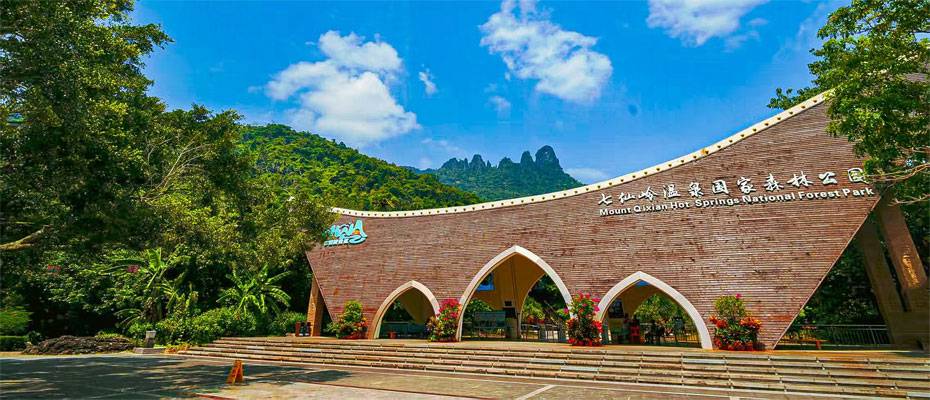
Hainan looks beyond its beaches with rainforest and hot spring tourism
Qixianling in central Hainan combines a year-round mountain climate with rainforest hiking, geothermal springs and golf as Baoting expands its wellness tourism offer
 Read the News
China launches first SAF compliance service for foreign business jets
New model at Beijing Capital International Airport gives foreign-registered business jets access to sustainable aviation fuel benefits without changes to existing refuelling infrastructure
 Read the News
Hyatt enters Guyana with Atlantic Suites Hotel in Georgetown
The group’s first affiliated hotel in Guyana is set to become a 240-room Hyatt Regency in 2028 following an approximately $50 million expansion
 Read the News
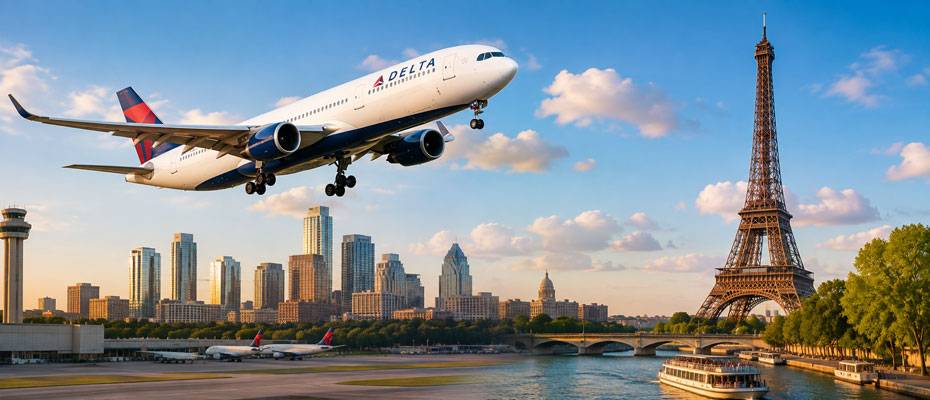
Delta to launch first nonstop service from Austin to Paris
Daily seasonal flights will connect Austin with Paris from March 2027, adding new one-stop options to nearly 70 destinations across Europe, India and Africa
 Read the News
IHG expands Taiwan portfolio with five new hotels and digital services
New signings in Taipei, Taitung and Pingtung will introduce HUALUXE to Taiwan and broaden IHG’s presence across city, hot spring and leisure destinations
 Read the News
IHG expands LINE MINI App to Thailand and Taiwan
Hotel group integrates bookings and IHG One Rewards into the messaging platform after attracting more than four million followers with its Japanese launch
 Read the News
Thailand combines surfing and wellness with new Surf Therapy concept
International media and creators experience surf, nature and community programmes in Phuket and Phang-nga as TAT develops wellness-focused tourism products
 Read the News
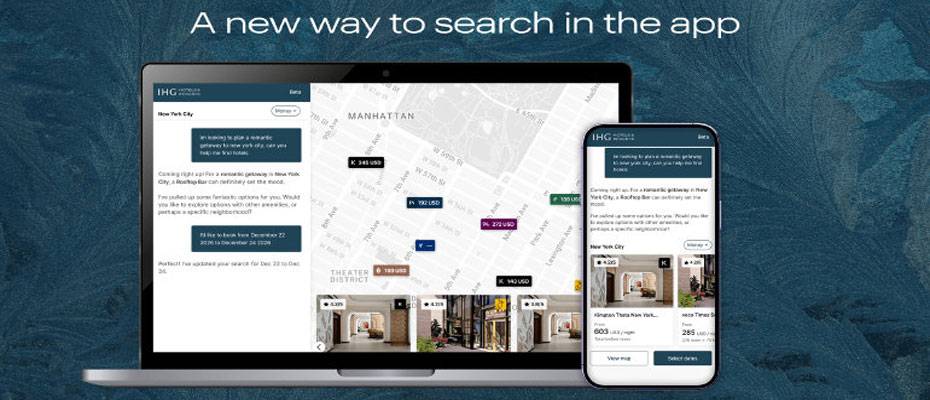
USA: IHG launches AI-powered hotel search across digital channels
Conversational search debuts in the US on IHG.com and the IHG One Rewards app, allowing travelers to find hotels using everyday language