Tourexpi

Radisson Hotel Group outlines a new approach to healthcare meeting design
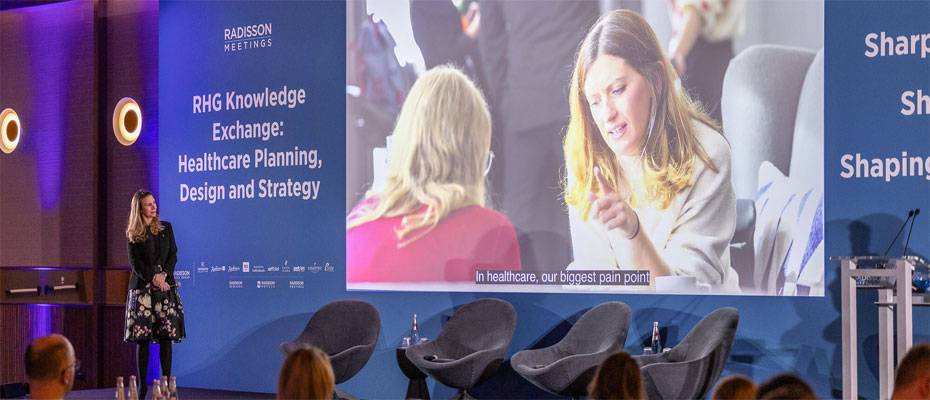
Radisson Hotel Group has published a new industry
report examining how healthcare meetings are evolving from operational events
into strategically designed platforms that support scientific exchange,
decision-making and improved healthcare outcomes. The findings are based on
discussions at the company's Knowledge Exchange: Healthcare Planning, Design
and Strategy Summit, where 75 experts from the pharmaceutical, healthcare
agency and venue production sectors met in Florence to explore the future of
healthcare meetings.
From event management to strategic design
Rather than focusing on traditional conference
presentations, the two-day summit centred on collaborative workshops and
practical working sessions designed to develop repeatable frameworks for the
industry.
The report concludes that healthcare meetings are
increasingly being viewed as strategic communication systems requiring
structured planning, measurable methodologies and continuous improvement
instead of standalone events.
"Healthcare meetings are no longer simply
logistical exercises—they are strategic communication platforms that can drive
measurable educational, scientific, and organizational outcomes," said
Muriel Poulenc, Senior Director, Sales Strategy at Radisson Hotel Group.
"Across the industry, we are seeing growing recognition that better
outcomes require more than flawless execution. They require structured design,
integrated workflows, and a more deliberate approach to how meetings are
planned, delivered, and measured. The organizations embracing this shift will
be best positioned to create meaningful impact."
Meeting planners take on a strategic role
According to the report, the role of healthcare
meeting planners is changing significantly. Beyond coordinating logistics,
planners are increasingly expected to align stakeholders, structure
decision-making processes and support organisations throughout the planning
lifecycle.
Participants concluded that many delays,
inefficiencies and costly revisions are caused less by execution problems than
by fragmented decision-making and insufficient strategic alignment during the
early planning stages.
Better systems before better technology
While artificial intelligence remains a major topic
across the industry, the report argues that technology alone will not solve the
challenges facing healthcare meetings.
Instead, participants identified fragmented workflows,
disconnected planning processes and inconsistent governance structures as the
industry's main obstacles. In many organisations, between 40 and 60 percent of
planning activities are still devoted to non-value-creating tasks.
To improve efficiency, Radisson Hotel Group recommends
adopting structured methodologies such as Lean Six Sigma, Agile and Sprint
thinking to redesign meeting planning around streamlined workflows and
measurable performance.
Measuring value and long-term impact
One of the report's central concepts is the Meeting
Flow Efficiency Ratio (MFER), a framework designed to evaluate how much
planning effort generates value compared with reactive work. The model aims to
help organisations optimise workflows, reduce friction and improve
collaboration across teams.
The report also highlights the importance of
continuous engagement beyond individual events. According to the findings
presented at the summit, 66 percent of healthcare professionals change their
clinical practice or prescribing behaviour after attending industry-sponsored
symposia, underlining the significant influence that well-designed meetings can
have on professional decision-making and patient care.
An industry preparing for the next stage
Senior executives from Inizio Engage XD, MCI, Emota
and Open Audience joined a panel discussion that reinforced the report's
conclusions. Drawing on industry data collected between 2018 and 2026, the
speakers agreed that the sector's greatest challenge is not a lack of
investment or participation, but the slow evolution of established meeting
formats.
The report concludes that organisations combining
structured methodologies, intelligent orchestration and strategic meeting
design will be best positioned to create more impactful, measurable and
scalable healthcare engagement in the years ahead.
Image Credit: © Radisson Hotel Group
The most interesting news
 Read the News

WTTC aims to support one million tourism SMEs worldwide
New research suggests that improving productivity among smaller tourism businesses could generate an additional US$63 billion in direct tourism GDP across eight major economies
 Read the News
European travel and tourism growth to reach 3.1% in 2026
WTTC forecasts stronger growth than the wider economy as more than 1,000 industry leaders gather in Malta for the organisation’s Global Summit
 Read the News
Atlas Ocean Voyages expands Antarctica programme for 2028/29
The cruise line introduces 25 polar expeditions, more fly-and-sail departures and extended itineraries reaching South Georgia, the Falkland Islands and the Antarctic Circle
 Read the News

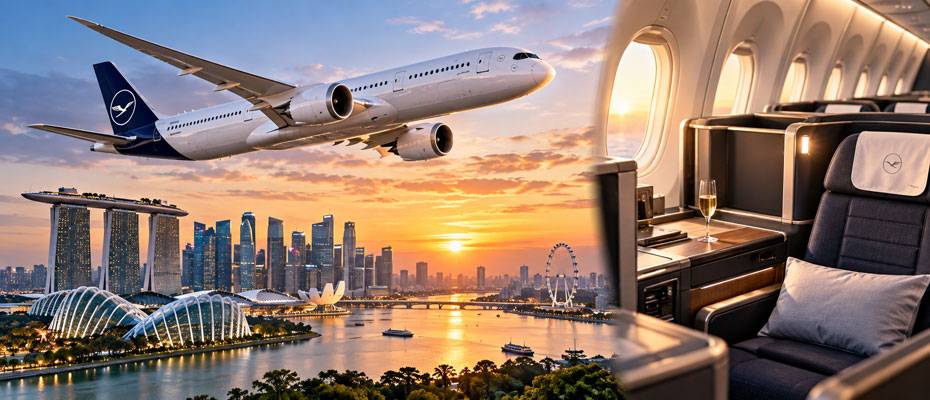
Lufthansa named Best European Airline at Asian travel awards
Travel industry professionals across Asia recognise Lufthansa as the airline prepares to introduce its new Allegris cabins on flights to Singapore and Kuala Lumpur
 Read the News
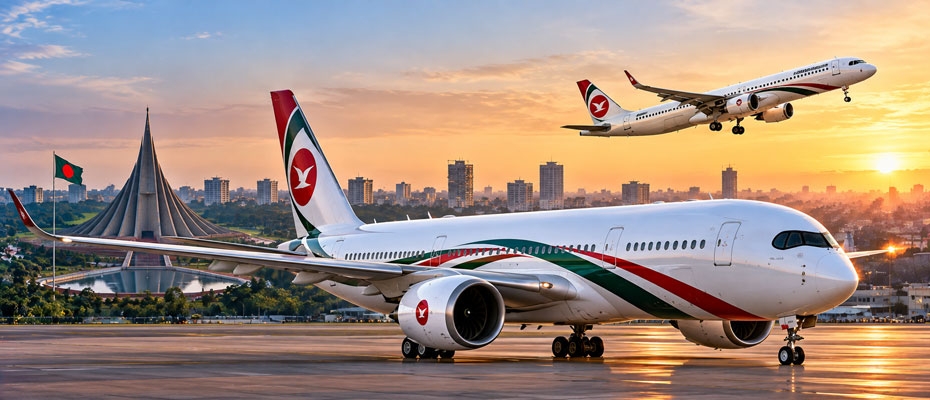
Biman Bangladesh Airlines orders 10 Airbus aircraft for fleet expansion
The national carrier plans to introduce A350-900 and A321neo aircraft from 2033, strengthening long-haul and regional operations alongside major Boeing orders
 Read the News
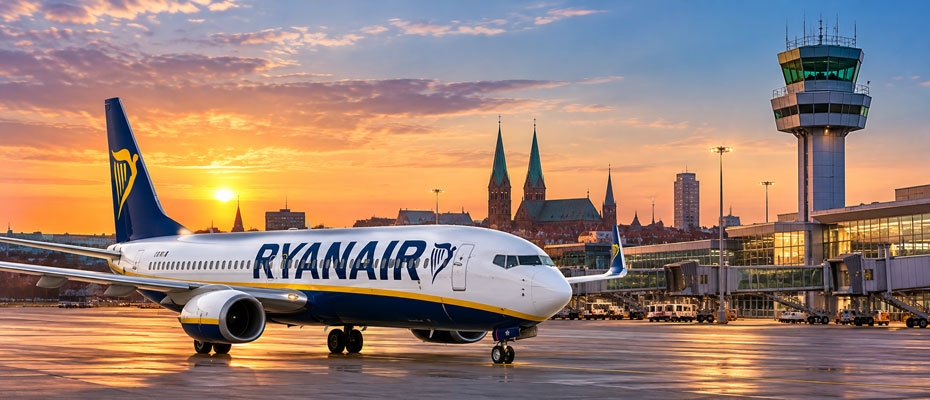
Ryanair to suspend all Bremen flights from April 2027
The airline plans to withdraw 500,000 annual seats from the German airport, citing high operating costs and aviation taxes as it shifts capacity to other European markets
 Read the News

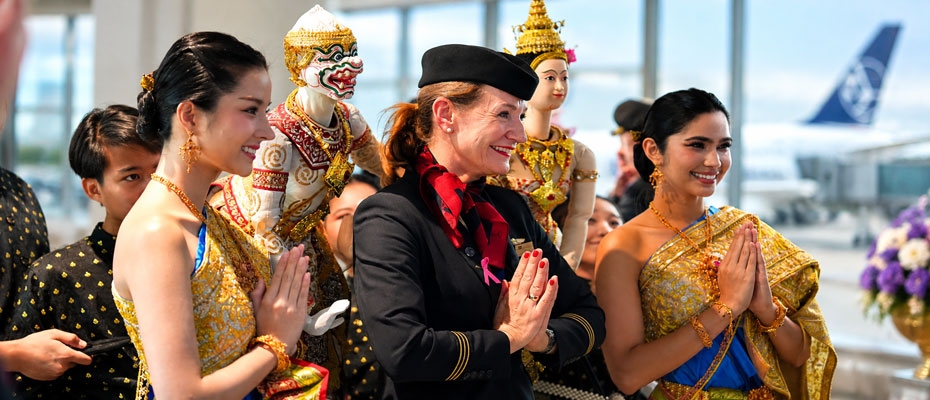
LOT Polish Airlines launches direct Warsaw–Bangkok flights
The new connection strengthens Thailand’s access to Central European markets, with five weekly flights planned for winter and Polish arrivals expected to reach 250,000 in 2026
 Read the News
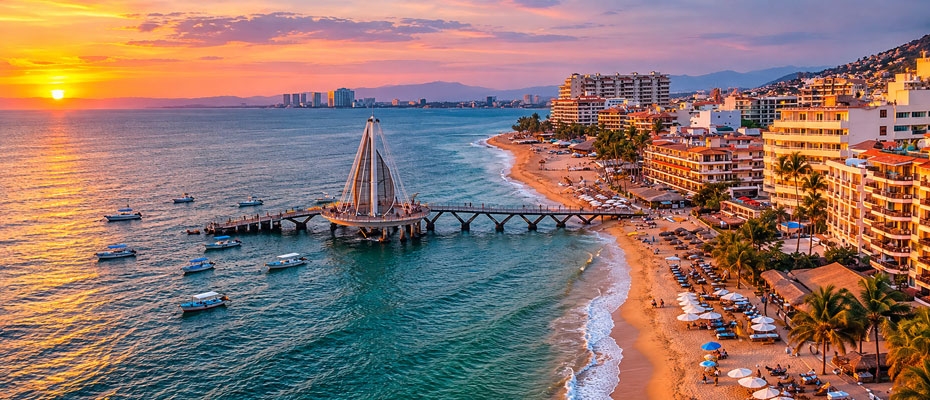
Six Mexican beaches rank among the Americas’ best in 2026
Tulum takes second place in the Condé Nast Traveller Readers’ Choice Awards, while destinations in Baja California Sur, Jalisco and Nayarit also receive recognition
 Read the News
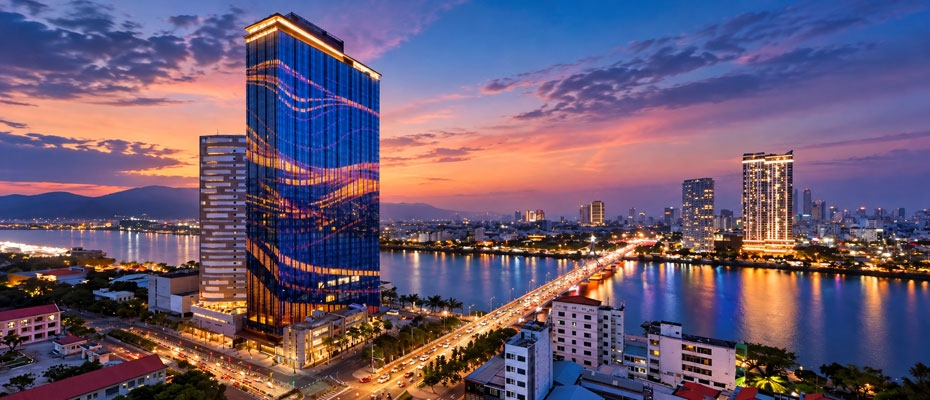
Da Nang strengthens MICE appeal with new Marriott event facilities
Courtyard by Marriott Danang Han River offers 13 meeting venues, a rooftop event space and 296 rooms as the Vietnamese city targets nearly 93,000 business event visitors in 2026
 Read the News
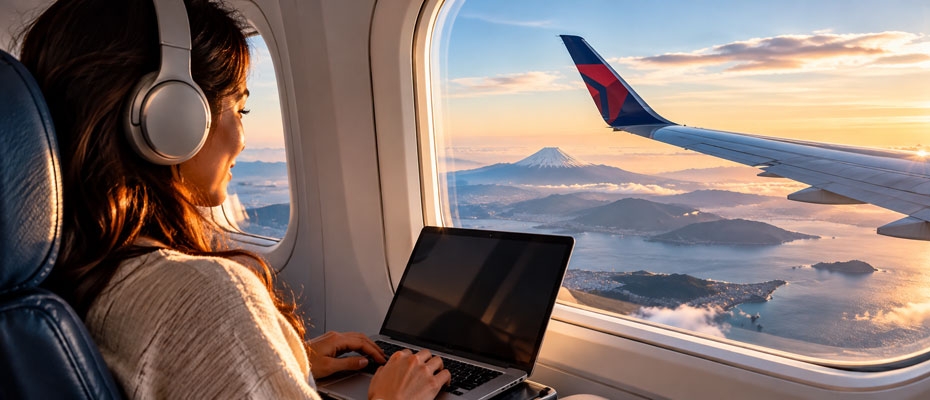
Delta expands free Wi-Fi to trans-Pacific flights in October
The airline has secured regulatory approval to extend Delta Sync connectivity across its Pacific network, completing the final major stage of its global Wi-Fi rollout
 Read the News
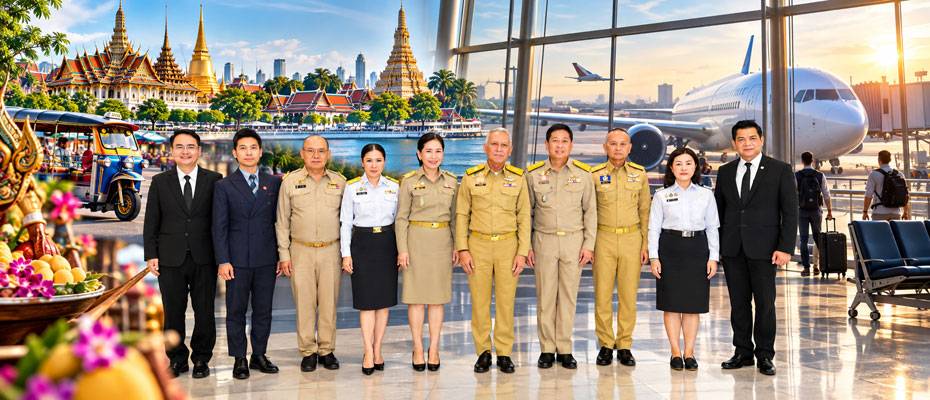
Thailand plans tourism experiences for transit passengers
New partnership between tourism and aviation organisations aims to turn longer flight connections into short visits to local attractions, restaurants and communities
 Read the News
IHG opens InterContinental Taipei with 347 rooms and seven restaurants
Located within the Taipei Dome complex, the new luxury hotel strengthens IHG’s presence in Taiwan and expands its partnership with Farglory Group
 Read the News
TransNusa increases Jakarta–Singapore flights to four daily
Indonesian carrier expands capacity on the busy regional route, offering additional evening connections for business and leisure travellers
 Read the News
Marriott identifies local cuisine as Asia Pacific’s leading dining trend
New Future of Food 2027 report highlights growing demand for regional flavours, informal dining spaces and shorter fine-dining experiences
 Read the News
Delta postpones Atlanta–Riyadh flights until March 2027
The US airline delays its planned nonstop service to Saudi Arabia amid regional developments, offering affected passengers flexible rebooking and refund options
 Read the News
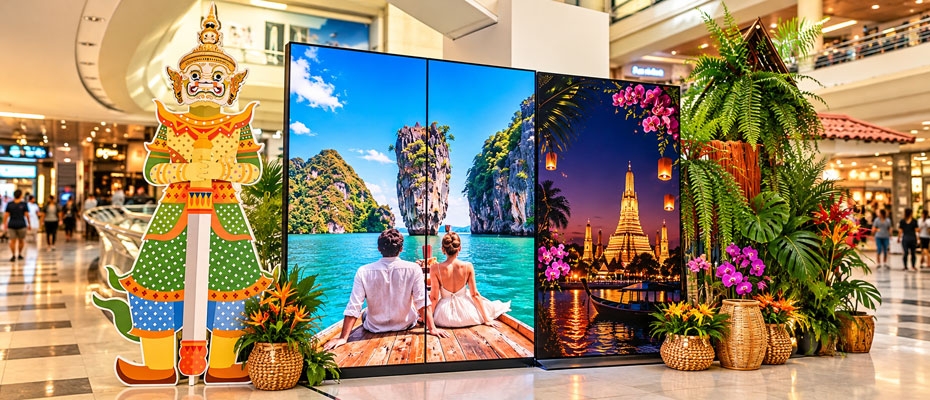
Thailand launches nationwide travel sales campaign in Spain
Tourism Authority of Thailand partners with Viajes El Corte Inglés to promote winter holidays, targeting 20 million consumer impressions and 3,000 package bookings
 Read the News
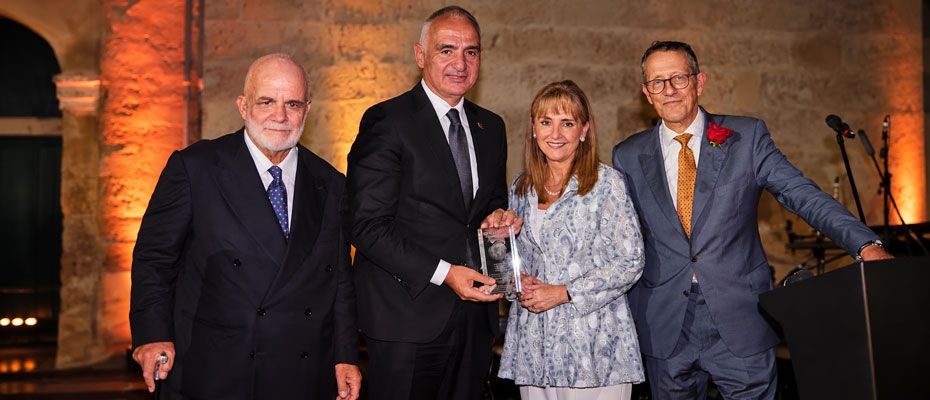
WTTC honours Türkiye’s Tourism Minister Mehmet Nuri Ersoy
The Global Champion Award recognises public-private cooperation and tourism development as Türkiye’s travel economy is forecast to grow further in 2026
 Read the News
WTTC identifies eight priorities to strengthen European tourism
New research forecasts Europe’s travel and tourism economy will reach US$3.8 trillion by 2036, but warns that investment, connectivity and workforce shortages require urgent policy attention
 Read the News
Marriott Bonvoy brings 14 Hong Kong hotels to Wine & Dine Festival
The four-day culinary event will feature leading chefs, mixologists and new tasting experiences celebrating Hong Kong’s diverse food culture
 Read the News
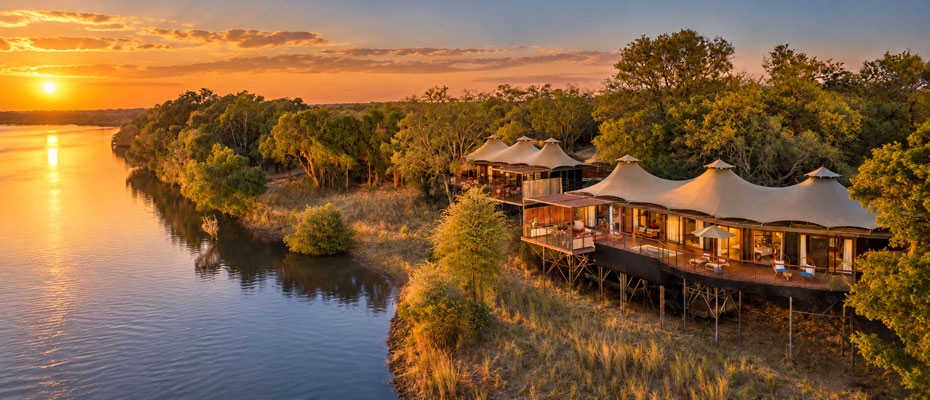
Anantara opens luxury safari camp in Zambia’s Kafue National Park
The new 13-suite riverside retreat combines wildlife safaris, conservation initiatives and private wellness experiences in one of Africa’s largest national parks
 Read the News
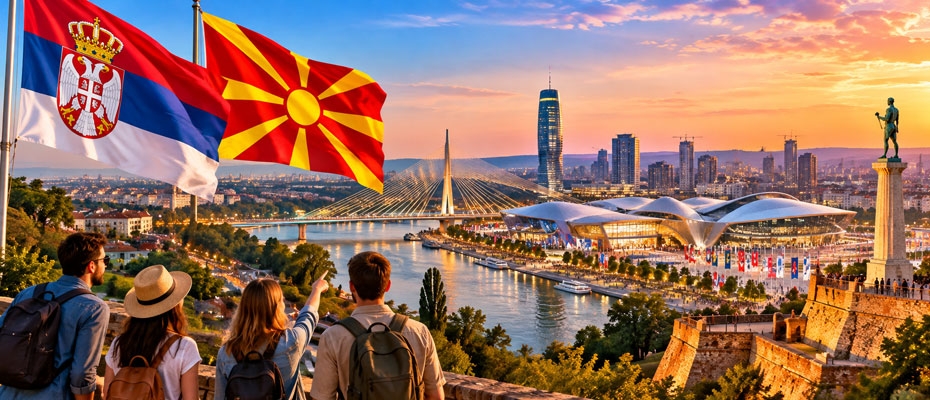
EXPO 2027 Belgrade strengthens tourism cooperation with North Macedonia
Business networking in Skopje highlights joint travel opportunities as Serbia prepares to welcome an estimated four million visits during the international exhibition