Tourexpi

WTTC warns Iran conflict is costing travel sector at least US$600 million daily

The escalating conflict involving Iran is already
causing significant losses for the Travel & Tourism sector in the Middle
East. According to estimates by the World Travel & Tourism Council (WTTC),
disruptions to air travel, regional connectivity and traveller confidence are
reducing international visitor spending in the region by at least US$600
million per day.
The Middle East plays a crucial role in global travel
flows. The region accounts for around five percent of global international
arrivals and about 14 percent of worldwide transit traffic. Any disruption in
the region therefore has immediate effects on the wider tourism ecosystem,
including airlines, airports, hotels, cruise lines and car rental companies.
Major aviation hubs affected by operational
disruptions
Key aviation hubs in the region, including Dubai, Abu
Dhabi, Doha and Bahrain, together normally handle around 526,000 passengers per
day. As the conflict escalates, closures and operational disruptions at these
hubs have significantly affected both regional and global connectivity.
WTTC’s analysis is based on its pre-conflict forecast
for 2026, which projected approximately US$207 billion in international visitor
spending across the Middle East this year. As a result, even short-term
interruptions to travel flows can translate into substantial economic losses
for the region’s tourism industry.
Tourism sector seen as highly resilient
Despite the current challenges, WTTC emphasises that
travel and tourism remains one of the most resilient sectors of the global
economy. Research conducted by the organisation shows that tourism demand often
recovers relatively quickly following security-related incidents.
According to WTTC analyses of previous crises, tourism
demand can rebound in as little as two months if governments and industry
stakeholders respond effectively and restore traveller confidence.
Importance of coordinated response
“Travel & Tourism is the most resilient of
sectors. The impact of international visitor spending across the Middle East is
significant and averages around US$600 million per day, but history shows that
the sector can recover quickly, especially when governments support travellers
through hotel support or repatriation,” said Gloria Guevara, President and CEO
of the World Travel & Tourism Council.
“Our analysis of previous crises demonstrates that
security-related incidents often see the fastest tourism recovery times, in
some cases as quickly as two months, when governments and industry work
together to restore traveller confidence. WTTC commends governments who have
worked tirelessly in recent days to support recovery efforts.”
Guevara also stressed that clear communication, strong
coordination between public and private stakeholders and measures that
reinforce safety and stability are essential to rebuilding traveller trust and
supporting recovery.
WTTC continues to monitor developments
The World Travel & Tourism Council, which
represents the private sector of the travel industry, said it is closely
monitoring developments on behalf of its members. The organisation remains in
contact with governments and industry leaders to support traveller safety and
strengthen the resilience of the global travel and tourism sector.
Image
Credit: © WTTC
The most interesting news
 Read the News

WTTC aims to support one million tourism SMEs worldwide
New research suggests that improving productivity among smaller tourism businesses could generate an additional US$63 billion in direct tourism GDP across eight major economies
 Read the News
European travel and tourism growth to reach 3.1% in 2026
WTTC forecasts stronger growth than the wider economy as more than 1,000 industry leaders gather in Malta for the organisation’s Global Summit
 Read the News
Atlas Ocean Voyages expands Antarctica programme for 2028/29
The cruise line introduces 25 polar expeditions, more fly-and-sail departures and extended itineraries reaching South Georgia, the Falkland Islands and the Antarctic Circle
 Read the News

Lufthansa named Best European Airline at Asian travel awards
Travel industry professionals across Asia recognise Lufthansa as the airline prepares to introduce its new Allegris cabins on flights to Singapore and Kuala Lumpur
 Read the News
Biman Bangladesh Airlines orders 10 Airbus aircraft for fleet expansion
The national carrier plans to introduce A350-900 and A321neo aircraft from 2033, strengthening long-haul and regional operations alongside major Boeing orders
 Read the News
Ryanair to suspend all Bremen flights from April 2027
The airline plans to withdraw 500,000 annual seats from the German airport, citing high operating costs and aviation taxes as it shifts capacity to other European markets
 Read the News

LOT Polish Airlines launches direct Warsaw–Bangkok flights
The new connection strengthens Thailand’s access to Central European markets, with five weekly flights planned for winter and Polish arrivals expected to reach 250,000 in 2026
 Read the News
Six Mexican beaches rank among the Americas’ best in 2026
Tulum takes second place in the Condé Nast Traveller Readers’ Choice Awards, while destinations in Baja California Sur, Jalisco and Nayarit also receive recognition
 Read the News
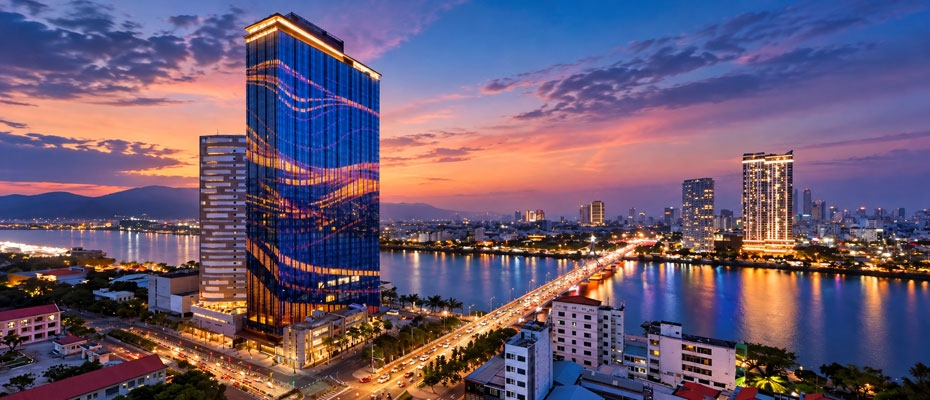
Da Nang strengthens MICE appeal with new Marriott event facilities
Courtyard by Marriott Danang Han River offers 13 meeting venues, a rooftop event space and 296 rooms as the Vietnamese city targets nearly 93,000 business event visitors in 2026
 Read the News
Delta expands free Wi-Fi to trans-Pacific flights in October
The airline has secured regulatory approval to extend Delta Sync connectivity across its Pacific network, completing the final major stage of its global Wi-Fi rollout
 Read the News
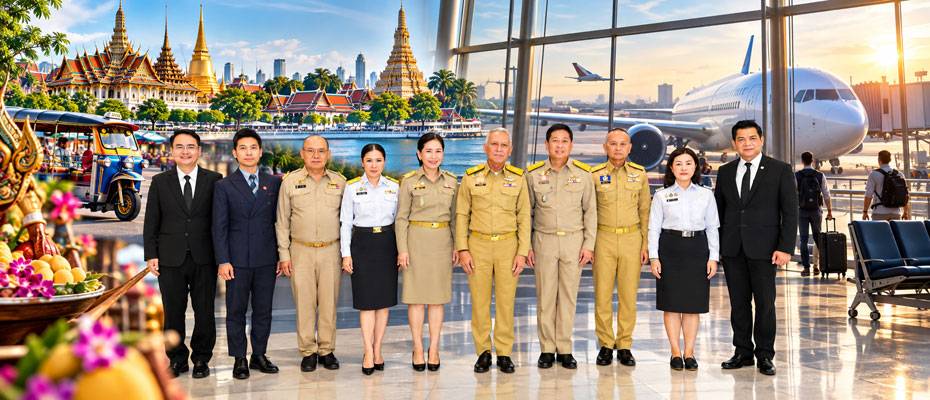
Thailand plans tourism experiences for transit passengers
New partnership between tourism and aviation organisations aims to turn longer flight connections into short visits to local attractions, restaurants and communities
 Read the News
IHG opens InterContinental Taipei with 347 rooms and seven restaurants
Located within the Taipei Dome complex, the new luxury hotel strengthens IHG’s presence in Taiwan and expands its partnership with Farglory Group
 Read the News
TransNusa increases Jakarta–Singapore flights to four daily
Indonesian carrier expands capacity on the busy regional route, offering additional evening connections for business and leisure travellers
 Read the News
Marriott identifies local cuisine as Asia Pacific’s leading dining trend
New Future of Food 2027 report highlights growing demand for regional flavours, informal dining spaces and shorter fine-dining experiences
 Read the News
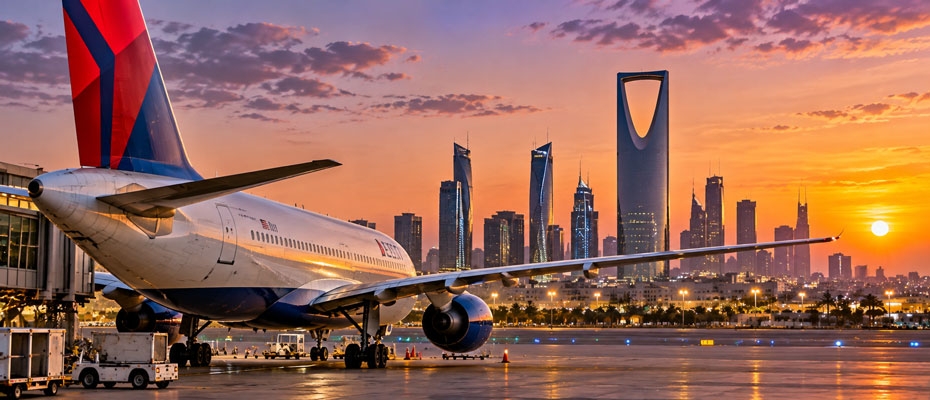
Delta postpones Atlanta–Riyadh flights until March 2027
The US airline delays its planned nonstop service to Saudi Arabia amid regional developments, offering affected passengers flexible rebooking and refund options
 Read the News
Thailand launches nationwide travel sales campaign in Spain
Tourism Authority of Thailand partners with Viajes El Corte Inglés to promote winter holidays, targeting 20 million consumer impressions and 3,000 package bookings
 Read the News
WTTC honours Türkiye’s Tourism Minister Mehmet Nuri Ersoy
The Global Champion Award recognises public-private cooperation and tourism development as Türkiye’s travel economy is forecast to grow further in 2026
 Read the News
WTTC identifies eight priorities to strengthen European tourism
New research forecasts Europe’s travel and tourism economy will reach US$3.8 trillion by 2036, but warns that investment, connectivity and workforce shortages require urgent policy attention
 Read the News
Marriott Bonvoy brings 14 Hong Kong hotels to Wine & Dine Festival
The four-day culinary event will feature leading chefs, mixologists and new tasting experiences celebrating Hong Kong’s diverse food culture
 Read the News
Anantara opens luxury safari camp in Zambia’s Kafue National Park
The new 13-suite riverside retreat combines wildlife safaris, conservation initiatives and private wellness experiences in one of Africa’s largest national parks
 Read the News
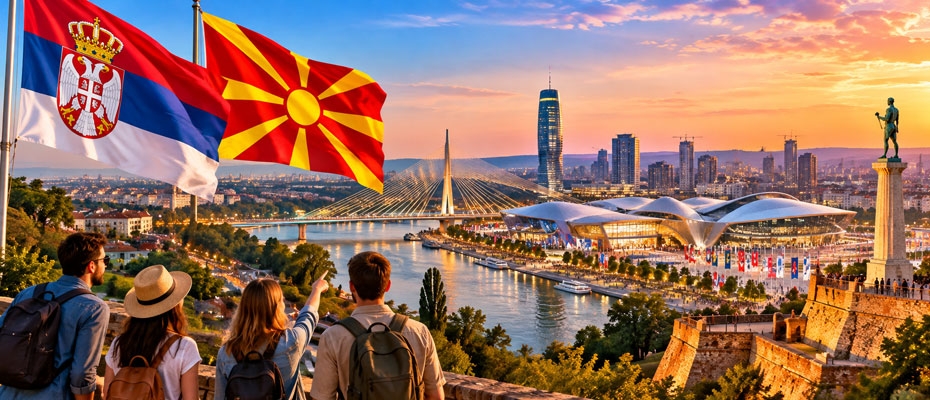
EXPO 2027 Belgrade strengthens tourism cooperation with North Macedonia
Business networking in Skopje highlights joint travel opportunities as Serbia prepares to welcome an estimated four million visits during the international exhibition