Tourexpi

Türkiye’s underwater heritage reveals ancient Mediterranean trade routes
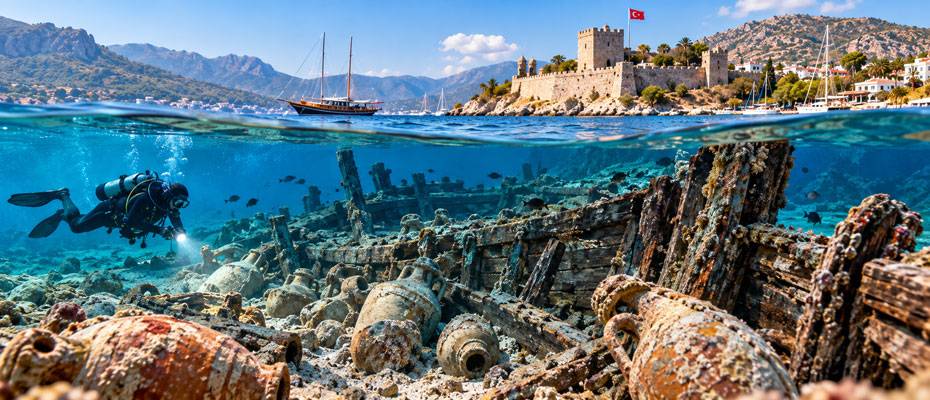
Beneath the waters surrounding Türkiye lies an
archaeological landscape that remains far less familiar to international
visitors than the country’s ancient cities, Byzantine monuments and Ottoman
heritage. Shipwrecks, amphorae, copper ingots, ceramics and other finds
document thousands of years of maritime connections between Anatolia, the
Aegean, the Levant, Cyprus and Egypt.
With more than 8,300 kilometres of coastline on the
Mediterranean, Aegean, Marmara and Black seas, Türkiye occupied a strategic
position on some of the ancient world’s most important maritime routes.
Archaeological research is increasingly revealing the scale of that heritage.
According to underwater archaeologist Hakan Oniz of Akdeniz University, more
than 430 shipwrecks have been detected and documented along the country’s
Mediterranean coast alone.
The discoveries are also gaining greater relevance for
cultural tourism. Established attractions such as the Bodrum Museum of
Underwater Archaeology are being complemented by new museum projects in Antalya
and Istanbul, while ongoing excavations off the southern coast continue to
produce evidence of trade stretching from the Early Bronze Age to the Roman
period.
Where underwater archaeology began
Türkiye occupies a special place in the development of
underwater archaeology. The Cape Gelidonya wreck off Antalya, discovered by a
Turkish sponge diver in the 1950s, was excavated by American archaeologist
George Bass in 1960. The project is widely regarded as the first scientific
excavation of an ancient shipwreck carried out directly on the seabed.
Research into Ottoman records, however, points to
archaeological activity beneath the sea decades earlier. In 1891, Osman Hamdi
Bey, archaeologist, painter and founding director of the Istanbul Archaeology
Museums, ordered work around Farmakonisi, today known as Bulamac Island, in the
Aegean. Divers were employed to search for antiquities, with finds subsequently
taken to Istanbul.
Türkiye’s underwater sites have since produced some of
the most important maritime archaeological discoveries in the Mediterranean.
Among the best known is the Uluburun wreck off Kaş. Discovered in 1982 and
excavated over 11 years, the Bronze Age vessel carried around ten tonnes of
copper and one tonne of tin ingots alongside glass, ebony, ivory and a gold
scarab bearing the name of Egyptian Queen Nefertiti.
Istanbul produced another exceptional discovery during
construction of the Marmaray rail project. At Yenikapı, archaeologists
uncovered the buried Theodosian Harbour and eventually recovered 37 vessels
dating from the fifth to the 11th centuries. The site also revealed traces of a
Neolithic settlement dating back around 8,000 years.
New wrecks off Antalya
Research continues along the Mediterranean coast. Oniz
and his team are currently investigating three shipwreck sites in the Antalya
region, using research vessels and remotely operated underwater vehicles to
work at greater depths.
Near the Kekova islands, archaeologists are studying
an Early Bronze Age wreck carrying Levantine-type amphorae. Another Bronze Age
vessel off Kumluca, estimated to be around 3,600 years old, transported copper
ingots believed to have originated in Cyprus. Researchers consider both wrecks
older than the celebrated Uluburun and Cape Gelidonya sites.
A third wreck off Adrasan offers a glimpse into a much
later trading world. Dating from the late Hellenistic or early Roman period,
the vessel carried hundreds of plates, trays and bowls packed in raw clay for
transportation from Rhosus near Antioch towards Rome. A recently recovered coin
helped archaeologists narrow the date to around the middle of the first century
BC.
Culture and Tourism Minister Mehmet Nuri Ersoy
recently announced the discovery of 122 different forms and sizes of plates,
bowls and trays at the site, providing further evidence of dining culture and
ceramic trade during the period.
Maritime finds move into new museums
Underwater archaeology is also being incorporated into
Türkiye’s wider cultural heritage strategy. The Culture and Tourism Ministry’s
Legacy to the Future programme, launched in 2023, had expanded to 255
excavation sites across 65 provinces by 2025, with more than 15,000 finds
entering the scientific record.
Bodrum remains the country’s principal destination for
visitors interested in underwater archaeology. Established in 1964, its museum
displays finds from important wrecks including Uluburun, Yassıada and Serçe
Limanı.
Further projects could considerably expand public
access to the country’s maritime heritage. In Kemer near Antalya, a
Mediterranean Underwater Archaeology Museum is being developed at the ancient
site of Idyros to bring together discoveries from the surrounding seabed.
Istanbul’s historic Haydarpaşa railway station is
meanwhile being redeveloped with plans for a “Four Seas Museum” devoted to
Türkiye’s maritime heritage across the Mediterranean, Aegean, Marmara and Black
seas. The concept envisages around 10,000 square metres of exhibition space
together with an archaeological park.
For travellers, the growing network of excavations and
museums adds another dimension to Türkiye’s archaeological landscape. Some of
the routes that once connected the great civilizations of the Eastern
Mediterranean can now be reconstructed not only through ruins on land, but
through the ships and cargoes preserved for centuries beneath the sea.
Image Credit: © AI generated illustration
The most interesting news
 Read the News

Lufthansa Group announces largest route expansion since 2020
Ten new long-haul connections, additional flights to the Americas and Asia, and expanded leisure services will shape the group's summer 2027 schedule
 Read the News
Delta expands 2027 transatlantic network with four new routes
New services to Reykjavík, Venice, Athens and Paris will strengthen US–Europe connectivity as the airline extends its seasonal flight programme
 Read the News
Delta completes global Wi-Fi coverage with Asia-Pacific expansion
Free onboard internet access is now available to SkyMiles members across Delta’s international network, with full fleet connectivity planned for early 2027
 Read the News
Lufthansa’s first A350-1000 to debut on Munich–Tokyo route
Passenger services begin on 3 December, with Shanghai and Singapore to follow as Lufthansa expands its Allegris-equipped fleet
 Read the News

Ryanair adds fourth aircraft at Memmingen Airport for winter 2026
The airline plans 25 routes, including new services to Catania and Tirana, and expects passenger traffic to rise by 21% despite wider capacity reductions in Germany
 Read the News

Türkiye targets $70 billion in tourism revenue for 2027
The government plans to increase tourism development funding to $244.5 million as it seeks to strengthen the country's position among the world's leading tourism destinations
 Read the News
Lufthansa retires last Airbus A340-600 after 23 years of service
The final scheduled flight from Washington to Frankfurt marks the end of an era as the airline accelerates its largest long-haul fleet renewal programme
 Read the News

Thailand widens shopping campaign to more South Asian markets
More than 50 partners offer visitor benefits as TAT targets 30,000 participants and at least 244 million baht in tourism revenue
 Read the News
ITB Berlin opens 2027 ticket sales with new Orange Pass
Early bird rates run until 14 January, while a premium pass limited to 300 buyers adds lounge access, networking benefits and Berlin public transport
 Read the News
Spain welcomes 11.5 million international air passengers in September
International arrivals rose by 5.1% year on year, bringing the total for the first nine months of 2026 to 90.9 million, according to Turespaña
 Read the News
Holland America Line adds festive dining and offers for 2026 holidays
Seasonal menus, onboard celebrations and selected fare discounts feature across Thanksgiving, Hanukkah, Christmas and New Year sailings
 Read the News
Tomorrowland brings two-day electronic music festival to Shanghai
The sold-out event at Hero Dome combined international DJs, large-scale stage technology and local cultural experiences
 Read the News
Yanolja targets Asia-Pacific growth with hotel technology and B2B distribution
At ITB Asia 2026 in Singapore, the South Korean travel technology group will showcase AI-powered hotel operations and expand its accommodation distribution partnerships
 Read the News
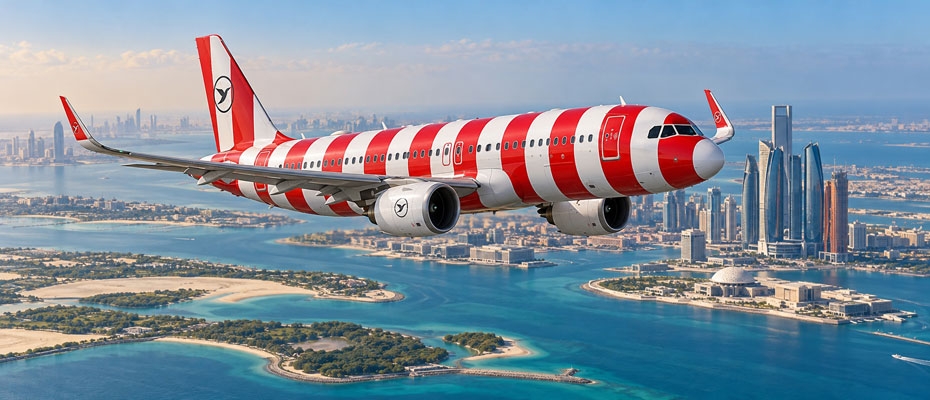
Condor launches daily Berlin–Abu Dhabi flights with Etihad codeshare
The year-round service links Germany’s capital region with the UAE and adds onward connections to Asia, Australia and Africa
 Read the News
United Airlines expands meal preordering to shorter flights
The airline extends its Economy food preordering service to 420 additional daily flights across North America and the Caribbean
 Read the News
Booking forecasts more mood-led travel for Australians in 2027
The platform’s annual predictions highlight wellbeing, flexible packages and the growing influence of budgets on group travel
 Read the News
Virgin Atlantic launches direct London–Phuket flights for winter 2026/27
Three weekly services from Heathrow strengthen Thailand’s access to the UK market, supported by a joint tourism campaign that has generated more than 9,000 bookings
 Read the News
AMÉRYS Hotel Phu Quoc targets South Korean families with wellness concept
The 113-room Vietnamese island resort opens on 1 November 2026, combining Japanese-designed accommodation, multigenerational wellness facilities and German hotel management
 Read the News
TransNusa launches Melbourne–Bali flights with onward connections across Asia
The Indonesian airline begins its new Australian route with four weekly services, increasing to daily flights from November 15
 Read the News
Lufthansa Group launches first consumer campaign under its umbrella brand
The “Greatness is a Group effort” campaign highlights the benefits of an integrated airline network while preserving the individual identities of its carriers
 Read the News
Tourism employment in Spain exceeds three million in September
Tourism-related employment rises by 4.7% year on year, with hospitality driving growth and the Valencian Community recording the strongest regional increase