Tourexpi

Germany’s inbound tourism gains momentum as international holiday demand grows
Germany’s inbound tourism industry is showing renewed momentum despite geopolitical tensions and economic uncertainty. According to the German National Tourist Board (GNTB), international visitor numbers have continued to improve, with holiday travel emerging as a particularly important driver of growth. Recent figures from the Federal Statistical Office and IPK International indicate that Germany is strengthening its position in the international tourism market, supported by demand from European travellers.
Preliminary accommodation statistics for September 2026 recorded 8.1 million overnight stays by international visitors, an increase of 4.8% compared with the same month last year. Between January and September, foreign visitors generated 65 million overnight stays, representing cumulative growth of 1.5%. Since June, the beginning of the main summer travel season, monthly international overnight stays have consistently exceeded their corresponding 2025 levels.
The positive development is particularly evident in the European leisure market. Data from IPK International for the first eight months of 2026 shows that holiday trips from European countries to Germany increased by 3%, outperforming the broader trend in travel to Germany. Longer holidays, direct bookings and rail transport are gaining importance, while spending per European visitor is also rising. Together, these developments suggest that Germany’s inbound recovery is being supported not only by visitor volumes but also by changes in travel behaviour.
European holidaymakers drive growth
Petra Hedorfer, CEO of the German National Tourist Board, sees the latest figures as evidence of Germany’s competitive strength.
“Despite the ongoing geopolitical conflicts and economic uncertainties, Germany’s inbound tourism is growing faster than global travel, a clear sign of the successful positioning on the travel destination Germany as a service-oriented, high-quality travel destination for international visitors.”
The strongest momentum comes from European leisure travellers, whose holiday trips to Germany increased by 3% during the first eight months of the year.
Longer stays are developing particularly favourably. European holidays in Germany involving at least four overnight stays grew by 4%, while short breaks increased by a more modest 1%.
This distinction is significant for accommodation providers and regional tourism organisations. Longer visits create opportunities for destinations beyond the major cities, particularly where visitors combine cultural attractions, outdoor activities and regional experiences within a single itinerary.
The outlook for European travel also remains encouraging. According to the European Travel Commission’s Monitoring Sentiment for Intra-European Travel, 63.3% of Europeans intend to travel internationally within Europe between October 2026 and March 2027.
Although these intentions do not necessarily translate directly into bookings, they indicate continued demand for cross-border travel during the autumn and winter seasons.
Direct bookings and rail travel gain ground
The IPK International findings also reveal notable changes in how European visitors organise their journeys to Germany.
Direct hotel bookings increased by 15% during the first eight months of 2026, while bookings made directly with transport providers rose by 10%. Both categories recorded considerably stronger growth than the overall holiday travel market.
For hotels and transport companies, the figures underline the growing importance of direct customer relationships and accessible digital booking channels. At the same time, they point to a changing distribution environment in which travellers increasingly arrange individual components of their journeys themselves.
Rail transport is another clear growth area. The number of European visitors choosing trains for journeys to Germany increased by 10%, making rail one of the fastest-growing transport categories identified in the report.
Germany’s location in the centre of Europe and its international rail connections provide a basis for attracting visitors from neighbouring countries and other accessible European markets.
The growing use of rail also offers opportunities for tourism providers to develop itineraries combining major cities with smaller destinations, particularly where local public transport makes onward travel convenient.
Visitor spending rises alongside demand
The increase in international travel is accompanied by higher expenditure among European visitors. According to IPK International, average spending during trips to Germany rose by 3% to €968 per person per trip.
For the tourism industry, this represents an important additional indicator alongside overnight stays and arrival figures. Visitor expenditure contributes to the performance of accommodation businesses, restaurants, attractions, transport services and other tourism-related sectors.
However, the increase in average spending should not automatically be interpreted as an equivalent rise in real purchasing power or tourism profitability. The figures reflect nominal expenditure and may also be influenced by changes in travel duration, prices and the composition of visitors.
The combination of longer holidays, higher spending and increased use of direct booking channels nevertheless provides useful signals for tourism businesses planning their international distribution and marketing strategies.
Germany’s performance is particularly noteworthy given the uncertainties affecting international travel. Economic pressures and geopolitical developments continue to influence travel decisions, yet the latest statistics show that demand from European holidaymakers remains resilient.
With international overnight stays rising throughout the main travel season and a substantial share of Europeans planning further cross-border trips during the winter months, Germany enters the final part of 2026 with a positive inbound tourism outlook.
For destinations and tourism suppliers, the challenge will be to translate this demand into sustainable business growth while adapting their products and distribution strategies to the changing preferences of international travellers.
Image Credit: © Tourexpi
The most interesting news
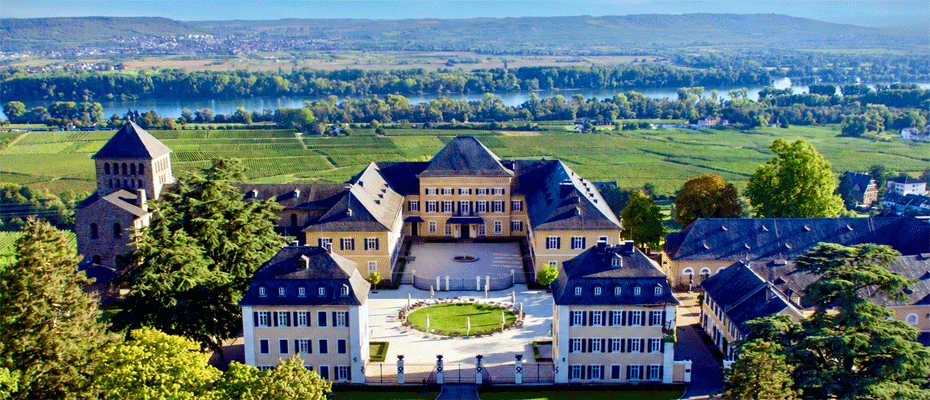

Germany’s Schloss Johannisberg Named World’s Best Vineyard 2026
The historic Riesling estate in the Rheingau tops the global wine tourism ranking, ahead of wineries in Spain and Chile, as 50 vineyards across six continents receive recognition
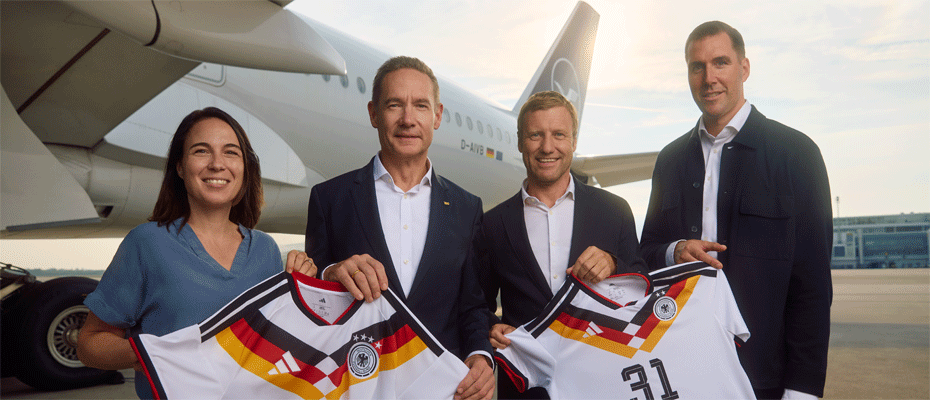
Lufthansa Extends German Football Partnership to 2031, Adding Women's Team
The airline will continue transporting Germany’s national football teams to major international tournaments, including the 2027 Women’s World Cup in Brazil
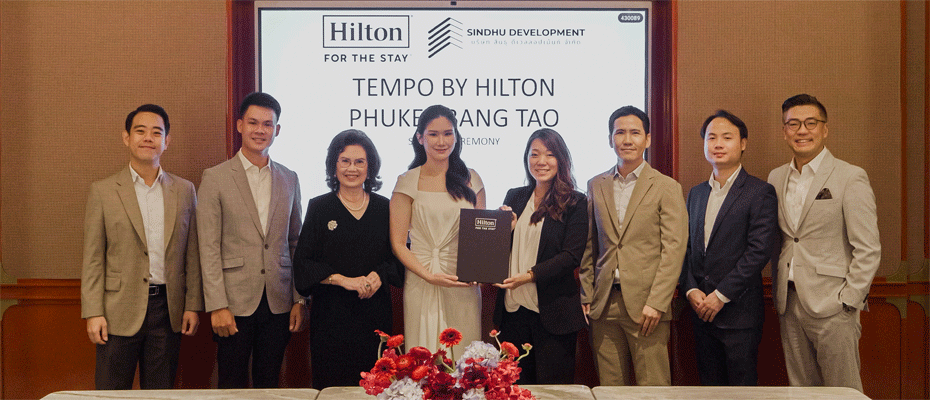

Hilton to Bring Tempo Lifestyle Brand to Phuket with 164-Room Resort
Scheduled to open in late 2030, Tempo by Hilton Phuket Bang Tao will mark the brand’s South East Asian debut and expand Hilton’s growing lifestyle hotel portfolio in Thailand

Thailand celebrates Loi Krathong 2026 across six cultural destinations
Ayutthaya leads this year's festival programme as Thailand prepares lantern ceremonies, illuminated rivers and traditional performances from 15 to 25 November


Japan’s Akita Prefecture Targets Taiwanese Travellers with Winter Tourism Showcase
A two-day event in Taipei will highlight Akita’s regional cuisine, traditional culture and seasonal attractions while promoting direct air connections to northern Japan

Eurowings Adds Four Summer Routes and Expands SunExpress Codeshare to Turkey
New flights from Cologne Bonn, Düsseldorf and Stuttgart will launch in 2027, while 20 additional codeshare routes strengthen access to Turkish destinations

Delta and Hyatt launch joint loyalty benefits for flights and hotel stays
SkyMiles and World of Hyatt members can now link their accounts to earn rewards across both programmes, with additional benefits arriving in 2027
UK Tourism Faces Potential Shortfall of 925,000 Workers by 2036
WTTC warns that labour shortages could put US$84 billion in economic contribution at risk and calls for stronger skills development and international recruitment
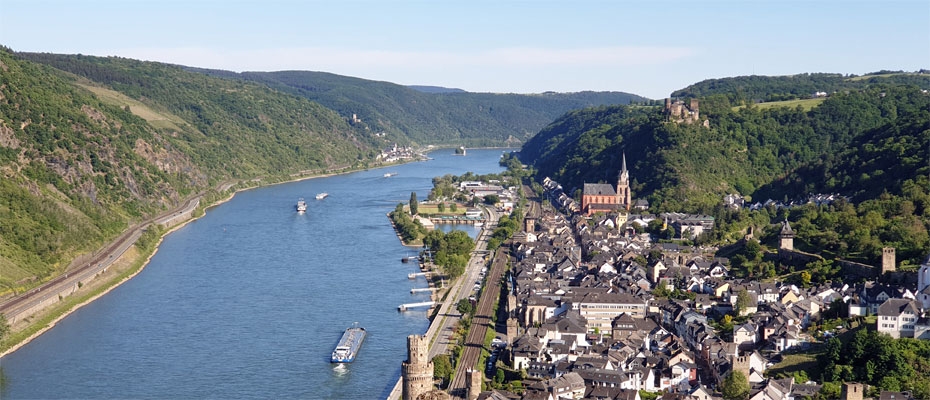
Germany: Record Overnight Stays Are Not Enough to Secure the Industry’s Future
At German Tourism Day in Leipzig, DTV President Meyer calls for stronger municipal finances, reliable tourism funding and better conditions for international workers

IHG Expands in Montenegro with InterContinental Resort Tivat Opening in 2029
The 169-room luxury resort will connect directly to Porto Montenegro, strengthening IHG’s presence on the Adriatic coast and expanding its Balkan hotel portfolio

Lufthansa introduces Premium Business Seat on European and medium-haul routes
From March 2027, passengers travelling from Frankfurt to Athens, Nice and Cairo can book a more spacious Business Class seat on selected Airbus A320 aircraft

Iberostar opens its first East African resort on Zanzibar
The five-star Iberostar Selection Zanzibar introduces 358 rooms and suites on Muyuni Beach, combining beachfront accommodation with diving, wellness and local cultural experiences
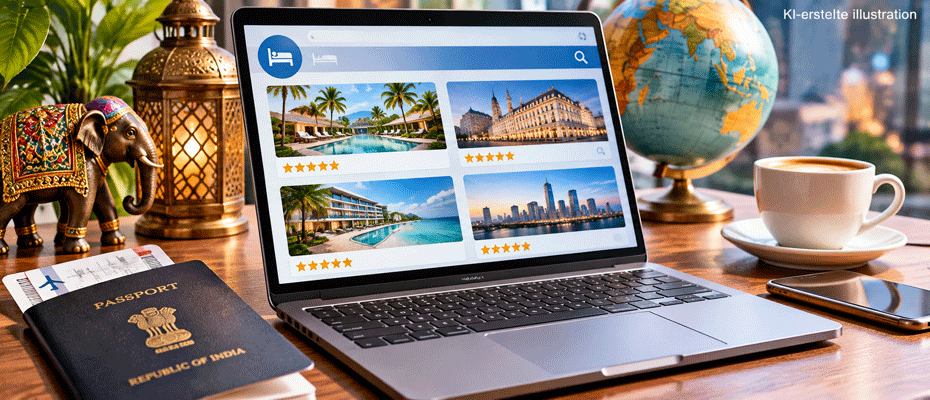
HBX Group and Cleartrip Partner to Expand International Hotel Choice for Indian Travellers
The new distribution agreement will give Cleartrip access to HBX Group’s global accommodation portfolio as both companies strengthen their positions in India’s outbound travel market

WTTC Launches Ocean Catalyst Group to Strengthen Coastal Tourism Resilience
Announced at COP31 in Antalya, the initiative brings tourism businesses and climate organisations together to protect marine ecosystems and accelerate investment in sustainable coastal destinations

Hilton presents festive escapes from European cities to tropical beaches
The hotel group highlights Christmas markets, seasonal celebrations and beachfront resorts across Europe, the Americas and Asia-Pacific for the 2026 holiday season
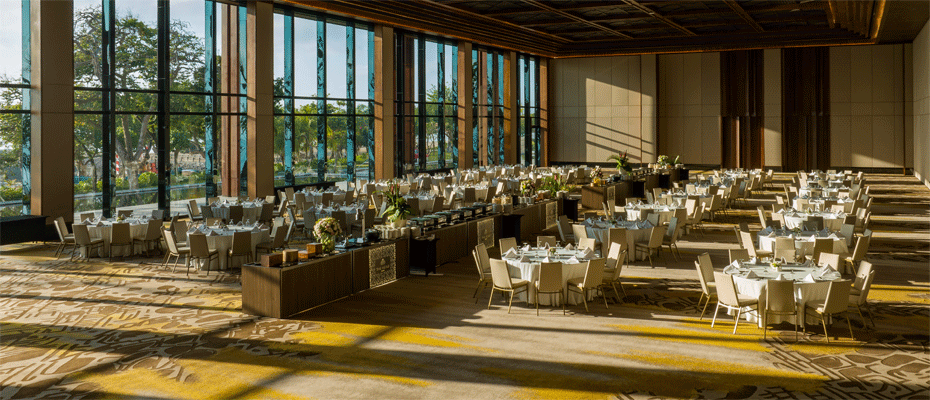
Bali strengthens its MICE offering with beachfront convention centre in Sanur
The Bali Beach Convention Center offers 3,750 square metres of event space for up to 5,000 guests, combining large-scale conference facilities with hotel accommodation and coastal surroundings
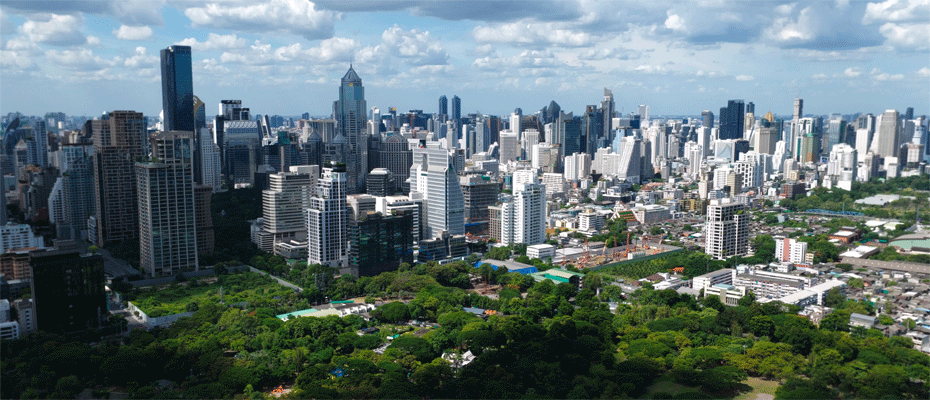
Park Inn by Radisson Makes Bangkok Debut with Renovated Sukhumvit Hotel
The 79-room Park Inn by Radisson Bangkok Sukhumvit 13 introduces the brand to Thailand’s capital, combining a central location with a rooftop pool and upgraded facilities
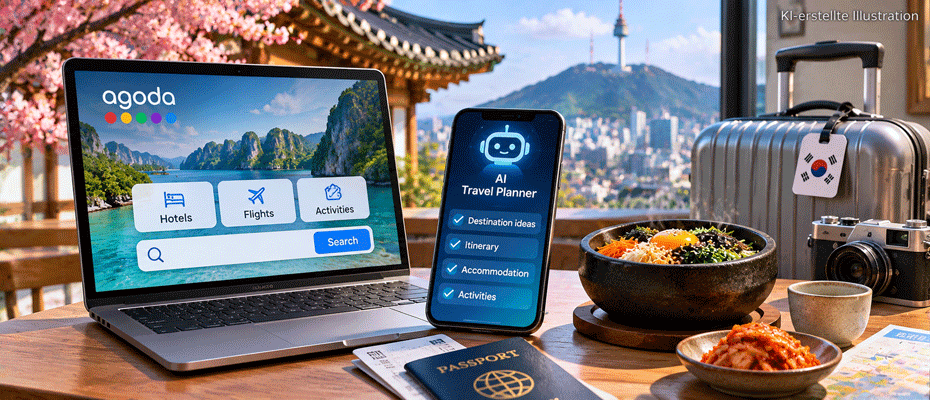
South Korean Travellers Embrace AI and Longer Overseas Trips for 2027
Agoda’s latest Asia Travel Pulse reveals growing international travel ambitions, rapid adoption of AI planning tools and a strong preference for culinary and cultural experiences

Thailand promotes Chiang Rai and Krabi to Southern European tour operators
A familiarisation trip for travel companies from Italy, Spain and Portugal highlights lesser-known destinations, community tourism and opportunities for year-round travel

Agoda recommends five Asian destinations for winter sun
From Japan’s subtropical islands to Thailand’s Andaman coast, the travel platform highlights five coastal escapes combining warmer weather with nature and cultural experiences
Germany examines visa competitiveness in key Asian tourism markets
A new study commissioned by the German National Tourist Board finds positive applicant experiences but highlights growing competition among Schengen destinations for international visitors