Tourexpi

South Korean Travellers Embrace AI and Longer Overseas Trips for 2027
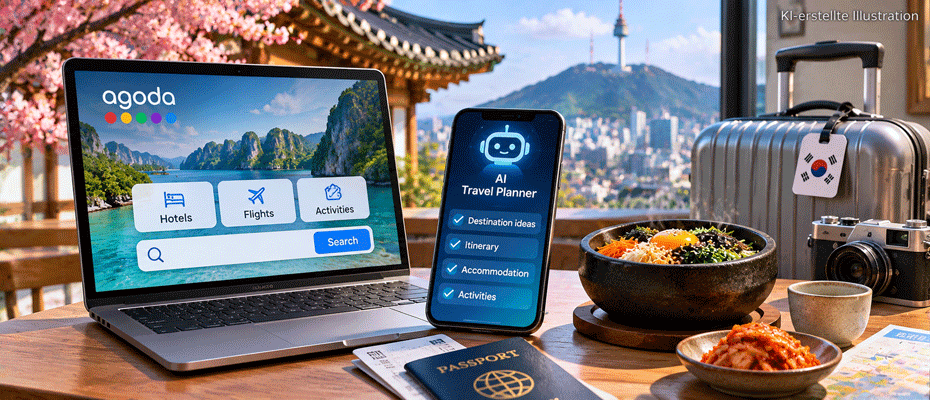
South Korean travellers are preparing to venture further abroad in 2027, increasingly using artificial intelligence to organise their journeys while placing greater emphasis on meaningful experiences and longer stays. According to Agoda’s newly released 2027 Asia Travel Pulse, 51% of South Korean respondents expect to travel primarily internationally next year, compared with 39% in the previous survey.
The findings place South Korea third among the 11 Asian markets surveyed for international travel intentions, 13 percentage points above the regional average of 38%. At the same time, travellers are becoming more selective about how they spend their money. Rather than taking frequent short breaks, many are planning fewer journeys of longer duration, with food, cultural discovery and personal interests playing an increasingly important role in destination choices.
The report draws on research involving more than 3,300 travellers across Asia. For destinations and tourism businesses targeting the South Korean outbound market, the results highlight a combination of strong international demand, growing digital sophistication and changing expectations around accommodation and travel experiences. Although cost remains a consideration, convenience, location and the quality of individual experiences appear particularly important in shaping travel decisions.
AI Adoption Accelerates, but Travellers Want Control
One of the most striking developments is the rapid increase in artificial intelligence use for travel planning. In South Korea, 60% of respondents now use AI tools to help organise their trips, compared with 36% in the previous year’s survey. This makes South Korea the third-highest market for AI adoption among the 11 countries and territories examined.
However, growing familiarity with AI does not necessarily translate into a willingness to delegate booking decisions entirely.
Some 39% of respondents would allow an AI agent to book accommodation on their behalf only if they could review the reservation before final confirmation. Another 34% prefer to make hotel bookings themselves.
Trust and transparency are therefore likely to become important competitive factors for AI-powered travel services. Respondents indicated that authentic reviews, clearly identified information sources and explanations of why particular options are recommended would increase their confidence in automated recommendations.
For travel platforms and accommodation providers, the findings suggest that AI-assisted discovery may advance faster than fully autonomous booking. Systems that combine personalised recommendations with clear information and customer oversight could be particularly relevant to this market.
Food, Culture and Personal Interests Shape Demand
Culinary experiences emerged as the leading travel motivation among South Korean respondents, followed by cultural exploration and shopping.
Cultural tourism is particularly significant. Some 69% of respondents identified cultural discovery as a reason for travelling, 15 percentage points above the regional average. An identical proportion said their personal interests and hobbies influence their travel decisions.
These preferences suggest opportunities for destinations offering distinctive local cuisine, heritage attractions, cultural activities and specialised experiences rather than relying exclusively on conventional sightseeing itineraries.
Other influences are also gaining importance. The proportion of South Korean respondents citing social media in their travel decisions increased from 13% to 31%, while environmental considerations rose particularly sharply, from 4% to 34%.
The figures indicate a broader range of factors influencing destination selection, although the survey does not establish how strongly these considerations ultimately affect bookings.
Fewer Journeys, but Longer Stays
South Korean travellers also appear to be reconsidering the frequency and duration of their holidays.
The most common intention for 2027 is to take between one and three trips, selected by 53% of respondents, compared with 30% in the previous survey. Meanwhile, the proportion expecting journeys lasting at least 13 days has tripled.
This shift could benefit destinations capable of supporting longer itineraries, including multi-region tours and combinations of urban, cultural and nature-based experiences.
Travel costs nevertheless remain a constraint. Some 36% of South Korean respondents identified lower prices as the factor most likely to encourage them to travel more frequently.
The findings therefore point towards a distinction between overall travel affordability and the value travellers expect from individual journeys. While price influences how often people can travel, other considerations may carry greater weight once a destination has been selected.
Destination and Hotel Location Take Priority
South Korean travellers demonstrate a particularly destination-led approach to holiday planning.
Four out of five respondents, or 80%, said choosing the destination is their first step when organising a leisure trip. This was the highest proportion among the 11 markets surveyed and exceeded the regional average by 16 percentage points.
Accommodation decisions follow a different hierarchy. Hotel location was the most important factor for 39% of respondents, followed by reviews and ratings at 25%.
Only 18% identified price as their primary accommodation selection criterion, the lowest proportion among the surveyed Asian markets and well below the regional average of 32%.
For hotels and destination marketing organisations, accessibility, proximity to attractions and reliable guest feedback may therefore be particularly important when appealing to South Korean visitors.
The survey also underlines the importance of presenting destinations through the experiences they offer. Culinary traditions, cultural attractions and activities linked to individual interests can influence the initial destination decision, while accommodation location and trusted reviews become more relevant during the subsequent booking process.
Taken together, Agoda’s findings portray a South Korean outbound market that remains internationally oriented but is becoming more deliberate in its travel choices. Longer stays, experience-led itineraries and AI-assisted planning are emerging as defining characteristics of demand for 2027, creating opportunities for destinations and tourism suppliers able to combine distinctive experiences with convenient, transparent booking options.
Image Credit: AI generated illustration
The most interesting news
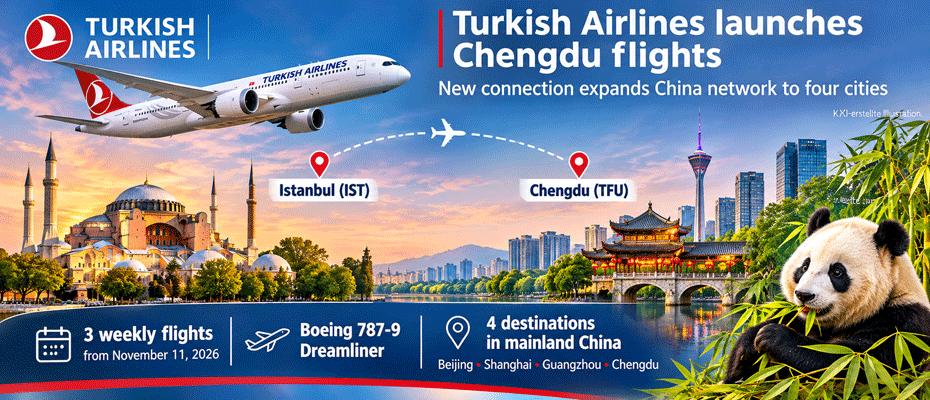

Turkish Airlines launches Chengdu flights, expanding its China network
Three weekly Boeing 787-9 services connect Istanbul with western China's major business and tourism hub, opening new travel opportunities between Türkiye and Sichuan province


Trinity Airways offers discounted flights between Taiwan and South Korea
The airline formerly known as T'way Air launches promotional fares across seven routes as it develops its new Selective Service Carrier strategy


Bangkok Illuminates the Chao Phraya with Month-Long Light Festival
Vijit Chao Phraya 2026 transforms 19 riverside locations with projections, drone displays and cultural performances from 13 November to 13 December
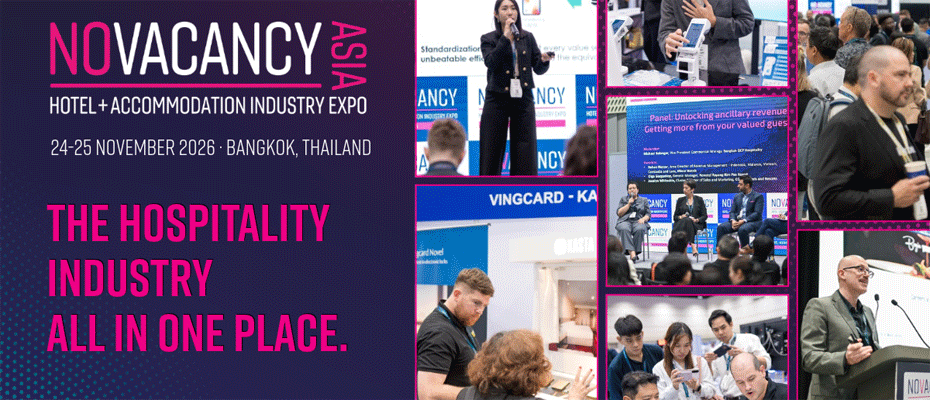
Bangkok to Host 3,000 Hospitality Professionals at NoVacancy Asia 2026
The November trade show brings together leading hotel groups and technology providers to explore AI, revenue management, guest experience and the future of Asian hospitality
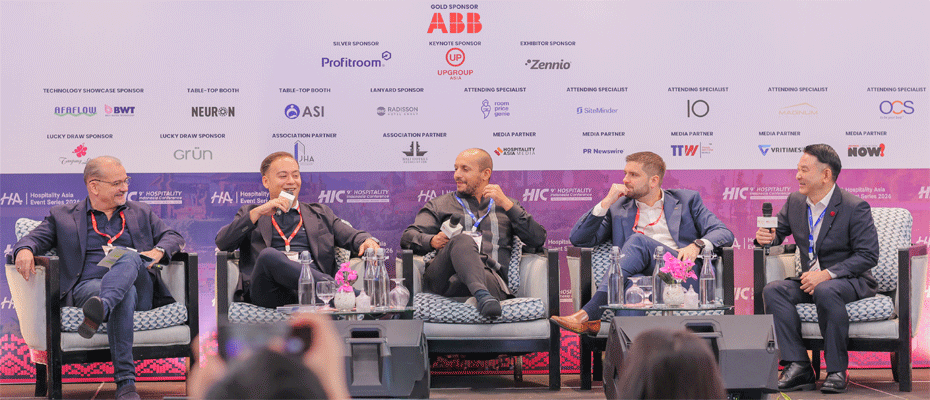
Jakarta to host major hospitality investment conference in January 2027
The 10th Hospitality Indonesia Conference will bring together more than 500 industry executives to discuss hotel investment, sustainable development, revenue management and travel technology

Seabourn Introduces Caribbean-Inspired Culinary Experiences Across Its Voyages
New dining concepts, regional rum cocktails and beachside experiences will connect guests aboard Seabourn Ovation and Seabourn Quest with Caribbean food traditions
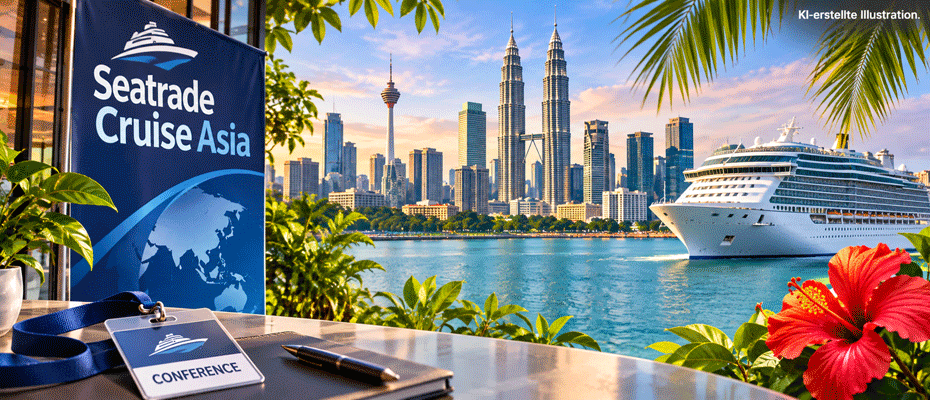
Malaysia to Host Cruise Industry Leaders at Seatrade Cruise Asia 2026
More than 18 cruise line brands and delegates from over 30 countries will gather in Kuala Lumpur to discuss Asia’s cruise growth, emerging source markets and new opportunities

Qatar Airways Expands Pre-Order Dining to Medium-Haul Premium Flights
First and Business Class passengers can now select their main courses before departure on flights lasting two hours or more

Sofitel Legend and UNESCO Partner to Preserve Cultural Heritage Through Travel
The global partnership begins in Hanoi with cultural experiences connecting luxury hotel guests to local artisans, traditions and historic sites

TUI Blue Expands with Eight New Hotels in Egypt and Europe
Five properties in Egypt and three in Bulgaria, Croatia and Portugal will join the portfolio between 2027 and 2029
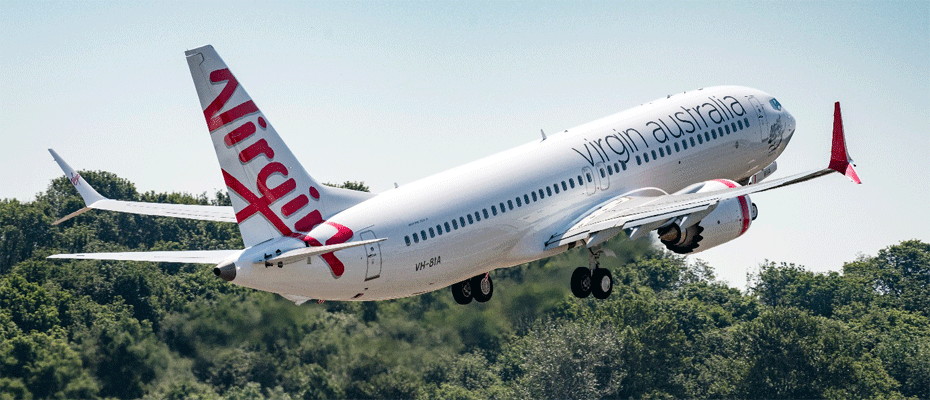
Virgin Australia expands Boeing 737 maintenance partnership with Delta TechOps
Five-year agreement covers component support for more than 100 aircraft, strengthening Delta's aviation maintenance business across the Asia-Pacific region


CMT Stuttgart 2027 to introduce public voting for tourism films
The international tourism film competition The Golden City Gate will allow visitors to rate entries for the first time, with screenings taking place throughout the travel fair
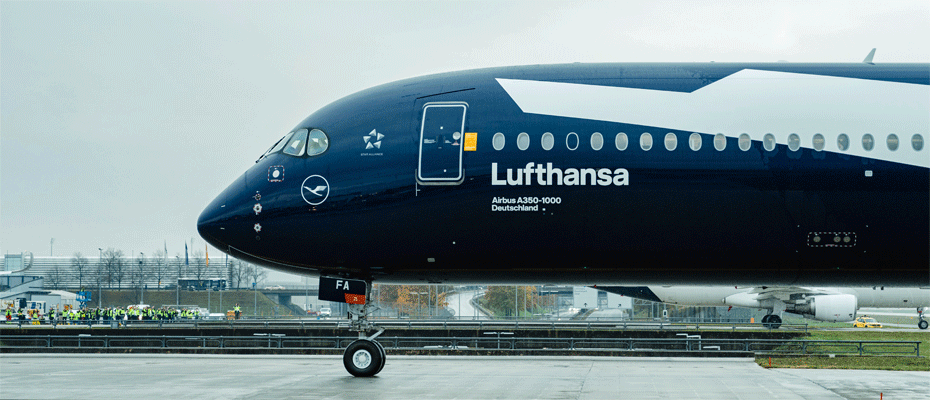
Lufthansa welcomes its first Airbus A350-1000 in Munich
Named “Deutschland,” the new long-haul flagship introduces upgraded premium cabins and Starlink Wi-Fi, with its first commercial flight to Tokyo scheduled for December 3

Agoda: Asian Travelers Look Abroad Again as AI Reshapes Trip Planning
New research across 11 Asian markets points to stronger international travel demand, longer stays and growing interest in lesser-known destinations in 2027

Delta and Hyatt launch joint loyalty benefits for flights and hotel stays
SkyMiles and World of Hyatt members can now link their accounts to earn rewards across both programmes, with additional benefits arriving in 2027

Hotel Indigo reaches 40 hotels in Greater China as expansion accelerates
IHG’s lifestyle boutique brand has another 53 properties in development across the region, including hotels inspired by China’s porcelain heritage, Maritime Silk Road and coastal traditions

Türkiye Launches Ancient Anabasis Tourism Route to the Black Sea
The new itinerary connects Erzurum, Bayburt, Gümüşhane and Trabzon, combining Xenophon’s historic journey with archaeological sites and mountain landscapes

Holland America Line introduces 27-day cruise along Asia’s historic spice routes
The Eurodam will explore 13 ports across Asia in January 2029, combining coffee, tea and spice traditions with extended stays in Bali, Hong Kong and Vietnam
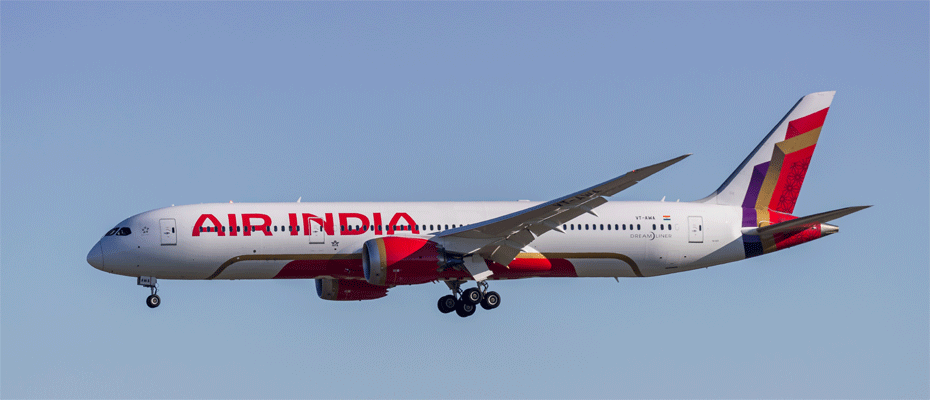
Air India introduces UATP-powered payment solution for travel agencies
The new Partner Pay programme enables agencies and corporate customers to manage bookings across multiple distribution channels through a single prepaid account
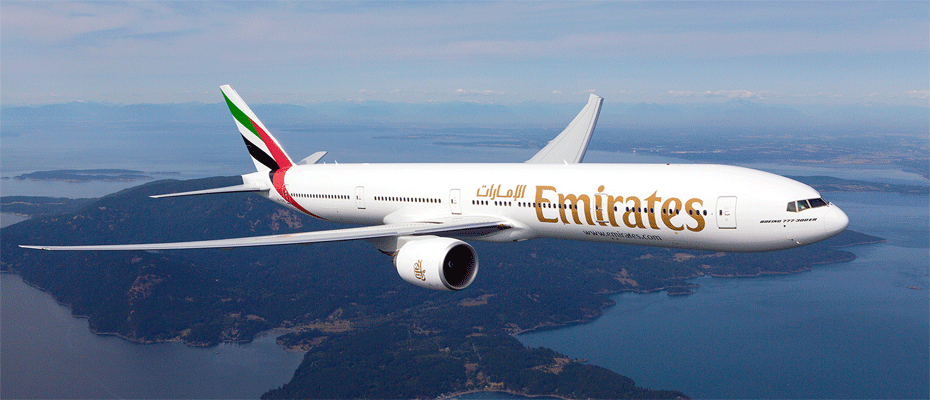
Emirates Skywards Expands Everyday Rewards and Family Travel Benefits
The loyalty programme highlights new ways to earn and redeem Miles through shopping, hotels, entertainment and shared family travel

TUI Care Foundation Supports 12,000 Tourism Entrepreneurs Over Ten Years
The foundation marks its tenth anniversary with projects in 50 destinations, strengthening local businesses, protecting natural resources and preserving cultural heritage