Tourexpi

Germany: Record Overnight Stays Are Not Enough to Secure the Industry’s Future
Germany’s tourism industry continues to report record overnight stays, but the positive visitor figures conceal growing financial and structural challenges. Speaking at German Tourism Day in Leipzig on 19 November 2026, German Tourism Association (DTV) President Meyer warned against measuring the industry’s success solely through statistical records. The more important question, he argued, is whether destinations and businesses have the resources needed to maintain their infrastructure and develop competitive tourism products.
Germany recorded 387.6 million overnight stays between January and September 2026, an increase of 0.6% compared with the same period last year and a new record for the first nine months of a year. Although the figures confirm continued demand for travel within Germany, they reveal little about the financial position of tourism businesses or the ability of local authorities to maintain public facilities and visitor infrastructure.
Meyer therefore used the industry gathering to highlight several challenges facing German tourism. These include the deteriorating financial position of municipalities, the need for dependable investment funding, growing difficulties in recruiting qualified workers and the importance of maintaining an open and welcoming environment for international visitors and employees. He also addressed the potential of artificial intelligence and new forecasting tools to improve tourism management.
Municipal Financial Pressures Threaten Tourism Infrastructure
The financial situation of Germany’s cities and municipalities is among the DTV’s principal concerns. Local authorities recorded a combined financing deficit of €31.9 billion in 2025, followed by a further €20.1 billion in the first half of 2026.
These pressures have direct consequences for tourism destinations. Municipalities are responsible for much of the infrastructure that supports visitor experiences, from public spaces and recreational facilities to cultural attractions and local tourism organisations.
As budgets become increasingly constrained, both new investment and the maintenance of existing facilities are at risk. At the same time, higher energy and food costs continue to affect hotels, restaurants and retailers.
The DTV is calling for structural improvements to municipal finances and more reliable mechanisms for funding tourism-related responsibilities. Visitor contributions and tourism levies could help distribute costs among those who benefit from tourism activity.
Meyer also argued that revenues generated through tourism-related taxes and charges should be reinvested entirely in the tourism sector.
The association wants continued and expanded support through Germany’s Joint Task for the Improvement of Regional Economic Structures, known as GRW. This funding mechanism supports investment in economically weaker regions, including tourism infrastructure.
Additional European funding and the continuation of the LEADER programme for rural development are also among the DTV’s priorities.
The association points to the potential of smaller destinations through its NaturMomente initiative, developed together with Airbnb. The programme, which provides a total of €1 million in funding, attracted 521 applications from across Germany. Proposed projects cover nature conservation, environmental protection, cultural experiences and community initiatives.
Labour Shortages and International Openness
Access to qualified employees represents another major challenge for the tourism industry.
Meyer highlighted changes in migration patterns within the European Union. According to the German government's migration report, more citizens of other EU countries left Germany than arrived in 2024, marking the first negative migration balance for this group since 2008.
The net loss amounted to almost 24,000 people, with particularly notable developments among citizens of Poland, Bulgaria and Romania.
Although these figures cover the wider economy rather than tourism alone, the DTV considers them relevant to hospitality and other labour-intensive tourism sectors that depend on international employees.
The association argues that Germany must improve its attractiveness as a place to work and live. Competitive wages, good working conditions, affordable housing and efficient administrative procedures are important elements of this effort.
Equally significant, according to Meyer, is a social environment in which people from other countries feel welcome.
The DTV president linked this issue directly to Germany’s international tourism appeal. Cultural institutions, historic attractions and the country's diverse regional heritage attract visitors from around the world, while the industry itself depends on international exchange.
From the association's perspective, xenophobia and social exclusion are therefore incompatible with the interests of a tourism economy built on hospitality and cross-border mobility.
Artificial Intelligence and Better Demand Forecasting
Technology was another focus of German Tourism Day 2026. Under the theme “Less Routine, More Hospitality”, the event explored how artificial intelligence could help tourism organisations and businesses improve operational efficiency.
The discussions centred on practical applications capable of simplifying repetitive administrative tasks and allowing employees to devote more attention to guests.
The programme included presentations, practical examples and an AI challenge, with science journalist Ranga Yogeshwar among the speakers.
The DTV is also promoting improved tools for anticipating travel demand. Together with the German Institute for Tourism Research at the West Coast University of Applied Sciences, the association introduced a new Holiday Planning Index in 2026.
The index measures the travel intentions of people living in Germany four times a year, covering the following three months on each occasion.
Its purpose is to provide destinations, tourism businesses and policymakers with earlier indications of changes in demand, allowing them to adjust capacity, staffing and marketing activities accordingly.
Unlike conventional tourism statistics, which describe travel activity that has already taken place, the index is intended to offer a forward-looking perspective on consumer behaviour.
For destination management organisations, such information could support more responsive planning and help identify emerging changes in domestic travel patterns.
The DTV nevertheless emphasises that digital innovation cannot replace adequate investment and sound economic conditions. Artificial intelligence and improved forecasting may help organisations operate more effectively, but they cannot compensate for deteriorating infrastructure or insufficient municipal funding.
Germany’s record overnight stays therefore tell only part of the industry's story. Maintaining the country's competitiveness as a tourism destination will require financially capable local authorities, reliable investment programmes, qualified employees and a welcoming environment for international visitors and workers.
Image Credit: © Tourexpi
The most interesting news
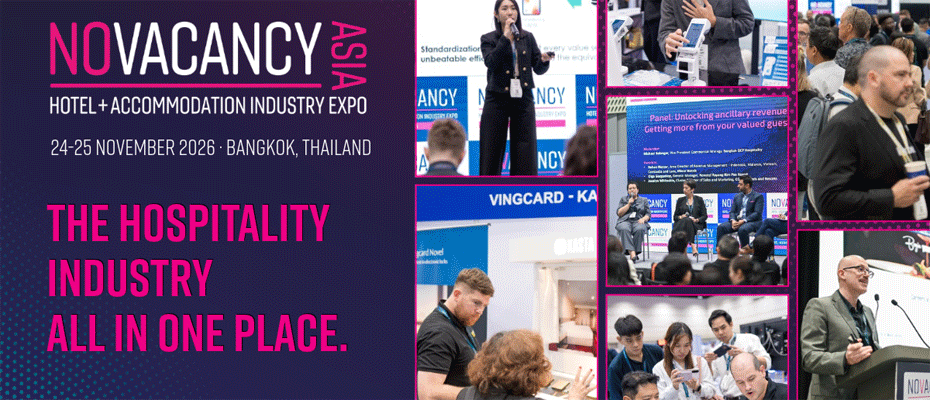

Bangkok to Host 3,000 Hospitality Professionals at NoVacancy Asia 2026
The November trade show brings together leading hotel groups and technology providers to explore AI, revenue management, guest experience and the future of Asian hospitality


Delta and Hyatt launch joint loyalty benefits for flights and hotel stays
SkyMiles and World of Hyatt members can now link their accounts to earn rewards across both programmes, with additional benefits arriving in 2027

Hotel Indigo reaches 40 hotels in Greater China as expansion accelerates
IHG’s lifestyle boutique brand has another 53 properties in development across the region, including hotels inspired by China’s porcelain heritage, Maritime Silk Road and coastal traditions

Agoda: Asian Travelers Look Abroad Again as AI Reshapes Trip Planning
New research across 11 Asian markets points to stronger international travel demand, longer stays and growing interest in lesser-known destinations in 2027

Thailand celebrates Loi Krathong 2026 across six cultural destinations
Ayutthaya leads this year's festival programme as Thailand prepares lantern ceremonies, illuminated rivers and traditional performances from 15 to 25 November


Türkiye Launches Ancient Anabasis Tourism Route to the Black Sea
The new itinerary connects Erzurum, Bayburt, Gümüşhane and Trabzon, combining Xenophon’s historic journey with archaeological sites and mountain landscapes


Lufthansa introduces Premium Business Seat on European and medium-haul routes
From March 2027, passengers travelling from Frankfurt to Athens, Nice and Cairo can book a more spacious Business Class seat on selected Airbus A320 aircraft

Holland America Line introduces 27-day cruise along Asia’s historic spice routes
The Eurodam will explore 13 ports across Asia in January 2029, combining coffee, tea and spice traditions with extended stays in Bali, Hong Kong and Vietnam

Iberostar opens its first East African resort on Zanzibar
The five-star Iberostar Selection Zanzibar introduces 358 rooms and suites on Muyuni Beach, combining beachfront accommodation with diving, wellness and local cultural experiences

Air India introduces UATP-powered payment solution for travel agencies
The new Partner Pay programme enables agencies and corporate customers to manage bookings across multiple distribution channels through a single prepaid account

Emirates Skywards Expands Everyday Rewards and Family Travel Benefits
The loyalty programme highlights new ways to earn and redeem Miles through shopping, hotels, entertainment and shared family travel

TUI Care Foundation Supports 12,000 Tourism Entrepreneurs Over Ten Years
The foundation marks its tenth anniversary with projects in 50 destinations, strengthening local businesses, protecting natural resources and preserving cultural heritage

Germany’s Schloss Johannisberg Named World’s Best Vineyard 2026
The historic Riesling estate in the Rheingau tops the global wine tourism ranking, ahead of wineries in Spain and Chile, as 50 vineyards across six continents receive recognition
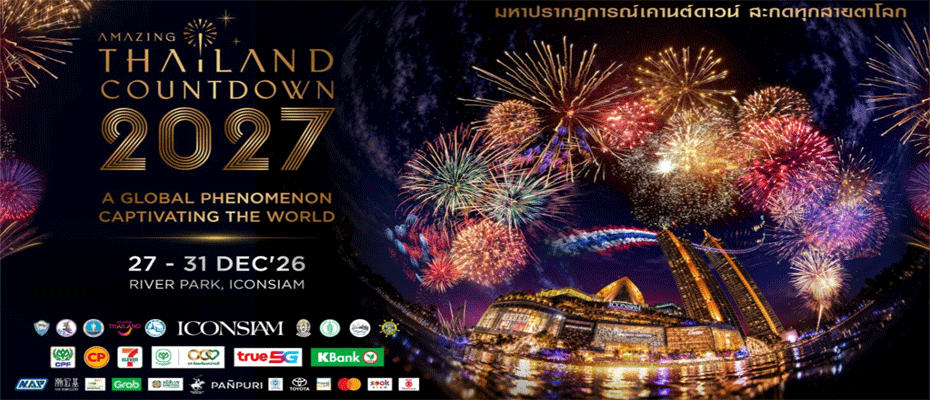
Bangkok prepares five-day Amazing Thailand Countdown 2027 celebration
Thailand’s capital will welcome the New Year with a major riverside festival featuring a 1,400-metre fireworks display, international performances and Thai cultural experiences
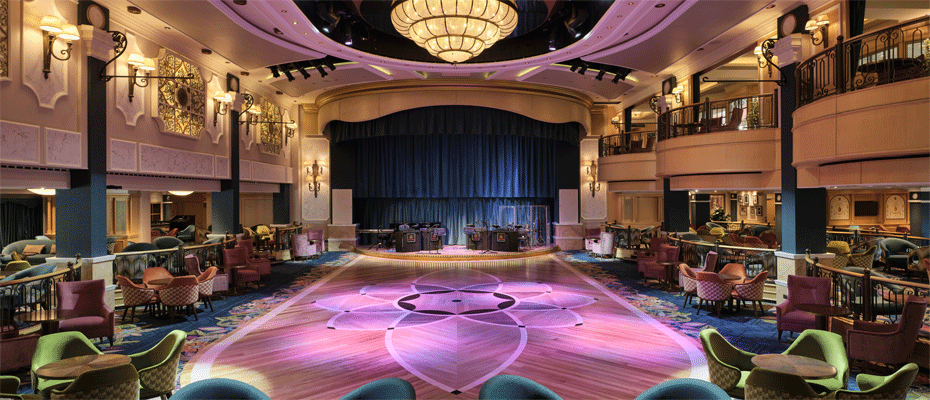
Cunard Unveils Refurbished Queen Victoria Ahead of 2027 World Voyage
The luxury cruise ship returns from a three-week refurbishment in Rotterdam with redesigned public spaces, upgraded suites, a wellness café and additional cabins
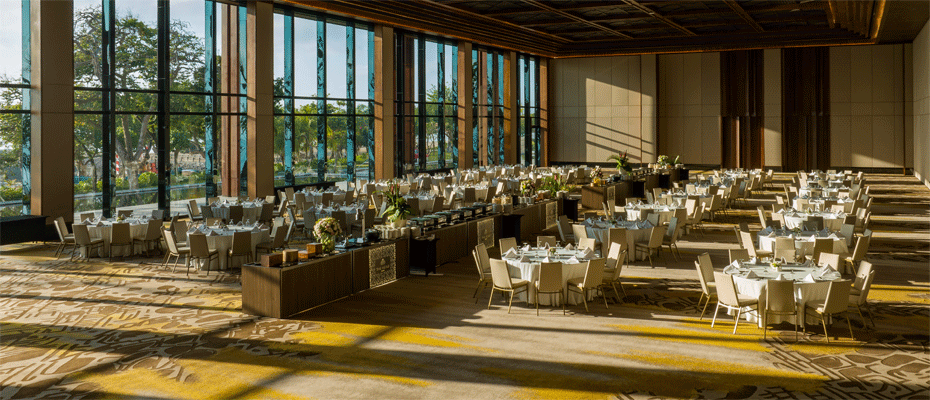
Bali strengthens its MICE offering with beachfront convention centre in Sanur
The Bali Beach Convention Center offers 3,750 square metres of event space for up to 5,000 guests, combining large-scale conference facilities with hotel accommodation and coastal surroundings

Hilton presents festive escapes from European cities to tropical beaches
The hotel group highlights Christmas markets, seasonal celebrations and beachfront resorts across Europe, the Americas and Asia-Pacific for the 2026 holiday season
WTTC Launches Ocean Catalyst Group to Strengthen Coastal Tourism Resilience
Announced at COP31 in Antalya, the initiative brings tourism businesses and climate organisations together to protect marine ecosystems and accelerate investment in sustainable coastal destinations
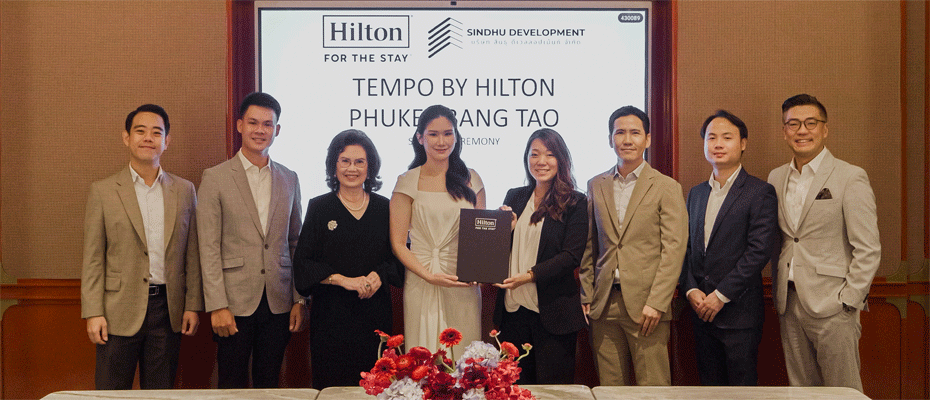
Hilton to Bring Tempo Lifestyle Brand to Phuket with 164-Room Resort
Scheduled to open in late 2030, Tempo by Hilton Phuket Bang Tao will mark the brand’s South East Asian debut and expand Hilton’s growing lifestyle hotel portfolio in Thailand

Lufthansa Extends German Football Partnership to 2031, Adding Women's Team
The airline will continue transporting Germany’s national football teams to major international tournaments, including the 2027 Women’s World Cup in Brazil

South Korean Travellers Embrace AI and Longer Overseas Trips for 2027
Agoda’s latest Asia Travel Pulse reveals growing international travel ambitions, rapid adoption of AI planning tools and a strong preference for culinary and cultural experiences