Tourexpi

Radisson introduces Africa’s first Verified Net Zero hotel in South Africa
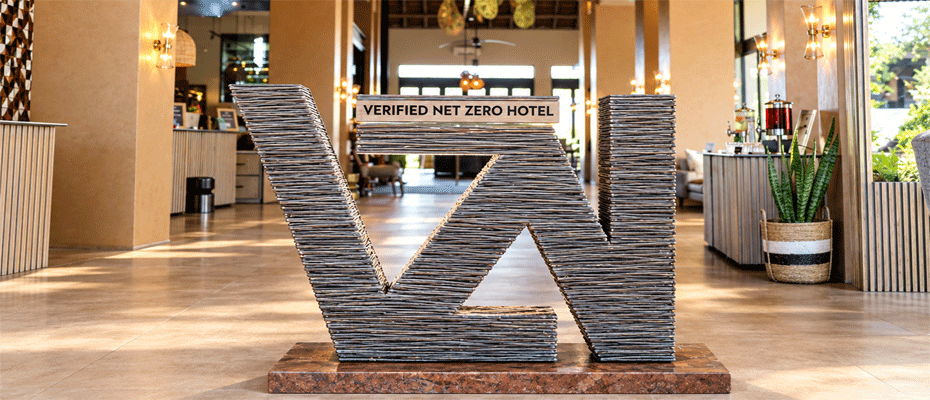
Radisson Hotel Group has introduced its first Verified Net Zero hotel in Africa, bringing its emissions reduction programme to a safari destination in South Africa's Limpopo province. Radisson Safari Hotel Hoedspruit, located near Kruger National Park and Blyde River Canyon, has achieved the designation following changes to its energy supply, operational equipment, waste management, water treatment and procurement practices. The property is also described by the group as Africa's first hotel to receive this verification.
The 138-room hotel operates under Radisson's Verified Net Zero programme, which addresses direct emissions, purchased energy and emissions associated with the hotel's wider operations and supply chain. The approach prioritises reducing emissions through renewable electricity and electrification, while remaining emissions are addressed through carbon removal credits. Compliance with the programme's methodology is independently assessed by TÜV Rheinland.
The project demonstrates how an existing safari hotel can be adapted to meet more demanding environmental requirements without changing its core hospitality offering. Radisson Safari Hoedspruit continues to provide accommodation, restaurants, spa facilities and meeting spaces, including rooms and suites with private pools. Its location near major wildlife and natural attractions makes the property particularly relevant to the growing discussion about reducing the environmental impact of nature-based tourism.
Renewable electricity and electrified operations
The hotel's energy strategy combines on-site solar generation with renewable electricity purchased through guarantees of origin. From 2027, a solar wheeling agreement is also planned. Under this arrangement, electricity generated by an external solar supplier is fed into the national grid, with an equivalent contracted volume allocated to the hotel's consumption.
Electrification has been introduced across several operational areas. The kitchens make extensive use of electric equipment, while heat pumps provide hot water for guest rooms. Electric golf carts and three-wheel utility vehicles are used for transport and other daily activities within the property.
These measures are intended to virtually eliminate direct emissions and emissions associated with purchased energy, corresponding to Scopes 1 and 2 under the Greenhouse Gas Protocol.
Tim Cordon, Radisson Hotel Group's Chief Operating Officer for the Middle East, Africa and South East Asia Pacific, said the project provides an example of how existing properties can participate in the transition towards lower-carbon hospitality.
“The hotel demonstrates how investment in renewable electricity, electrification and everyday operational changes can reduce environmental impact while maintaining a compelling guest experience.”
Water recycling and lower-waste operations
Water management is another important element of the hotel's environmental programme. According to Radisson, the property recycles 100% of its wastewater through an on-site treatment plant, integrating water recovery into regular operations.
Waste separation and partnerships with specialist recycling companies are intended to reduce the amount of material sent to landfill. Shodulla Recycling processes materials including plastic, glass and paper, while Egg Brothers handles food waste through composting and worm-farming activities.
The hotel has also introduced bulk bathroom amenities to reduce single-use packaging. Containers are returned to suppliers through a closed-loop recycling arrangement, while glass water bottles replace some disposable packaging. Additional amenities are provided on request to limit unnecessary consumption.
Guests can participate through towel reuse and flexible housekeeping arrangements. A planned STAY e-concierge application will bring hotel information and guest requests together digitally, reducing the need for printed materials in guest rooms.
Carbon-labelled menus and local sourcing
The environmental programme extends to the hotel's food and beverage operations. Working with food sustainability platform Klimato, Radisson Safari Hoedspruit is introducing menus that display information about the carbon footprint of individual dishes.
The data is intended to help guests make informed dining choices while allowing the culinary team to review ingredients, recipes and the emissions associated with different meals. Lower-carbon options are being prioritised on menus and buffets.
Supplier partnerships also contribute to the initiative. Through Zanetti Collection, used Hausbrandt coffee bags are transformed into reusable shopping bags by a local community sewing project. The arrangement combines material reuse with support for employment and social activities.
Other measures include compostable coffee capsules and Ronnefeldt tea products using recyclable packaging and compostable tea bags. Staff training, energy monitoring and preventive maintenance are intended to make resource efficiency part of daily hotel management.
Independent verification and expansion plans
Radisson's Verified Net Zero programme covers all three emissions categories defined by the Greenhouse Gas Protocol. While renewable energy and electrification address Scopes 1 and 2, changes to food services, laundry, waste, amenities and purchasing are intended to reduce operational Scope 3 emissions.
Residual emissions that cannot yet be eliminated are addressed through carbon removal credits sourced via Greentrade from the South African GRASS project. The programme therefore combines operational emissions reductions with credits rather than relying exclusively on eliminating emissions at the property itself.
Independent verification by TÜV Rheinland assesses compliance with the Net Zero Methodology for Hotels.
Inge Huijbrechts, Chief Sustainability & Security Officer at Radisson Hotel Group, emphasised the importance of addressing emissions beyond energy consumption.
“Verified Net Zero requires us to look beyond a hotel’s energy supply and address the wider footprint of its operations.”
The Hoedspruit property extends a programme already operating in the United Kingdom and Nordic markets to its first African destination. Radisson Hotel Group aims to have 100 Verified Net Zero hotels worldwide by 2030.
For the hospitality industry, the project provides an example of how renewable energy, operational changes and independent verification can be combined at an existing property. Its implementation in a safari destination also places environmental performance within a tourism segment closely connected to the conservation of natural landscapes and wildlife.
Image Credit: © Radisson Hotel Group
The most interesting news
 Read the News

Princess Cruises expands Sanctuary Collection to five more ships
The cruise line is extending its premium accommodation concept across the Royal Class fleet, with the first new departures available from January 2027
 Read the News
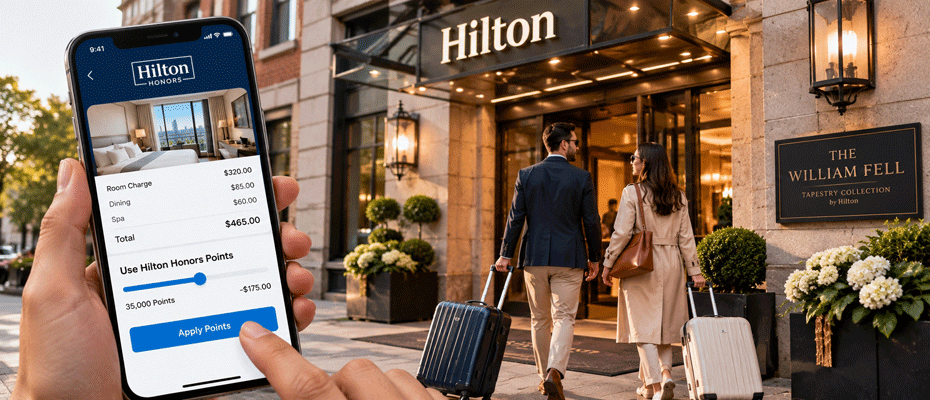
Hilton introduces digital Pay with Points for hotel expenses
The new Hilton Honors feature allows elite members to redeem loyalty points against eligible hotel charges during mobile checkout, with a wider rollout planned for 2027
 Read the News
IHG and American Express Expand Premium Travel Benefits in China
A new partnership offers eligible Platinum Cardmembers elite hotel status, additional loyalty rewards and cashback incentives across selected properties
 Read the News
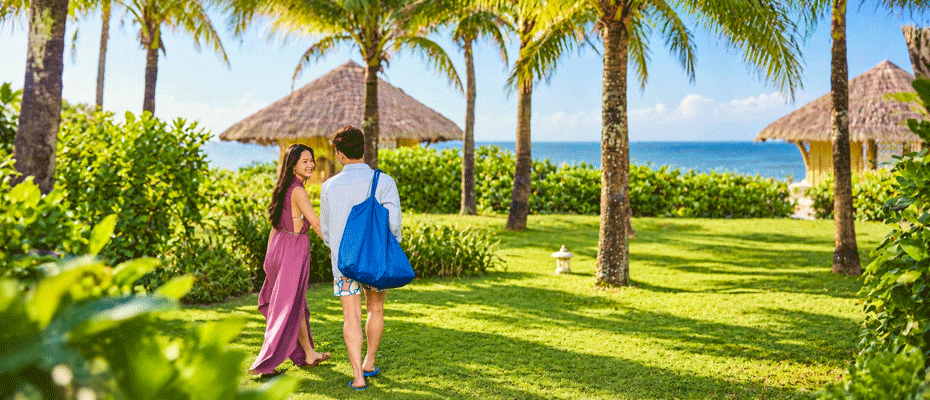
ROBINSON targets Vietnamese and South Korean travellers with tailored campaigns
TUI Group’s premium club resort brand is promoting ROBINSON NAM HOI AN through two distinct marketing strategies, with influencer partnerships and locally adapted digital content
 Read the News
Aruba Fashion Week Marks Its 10th Anniversary with Iberostar Partnership
The November 2026 event will bring international designers, Caribbean creativity and luxury hospitality together across two venues in Aruba
 Read the News
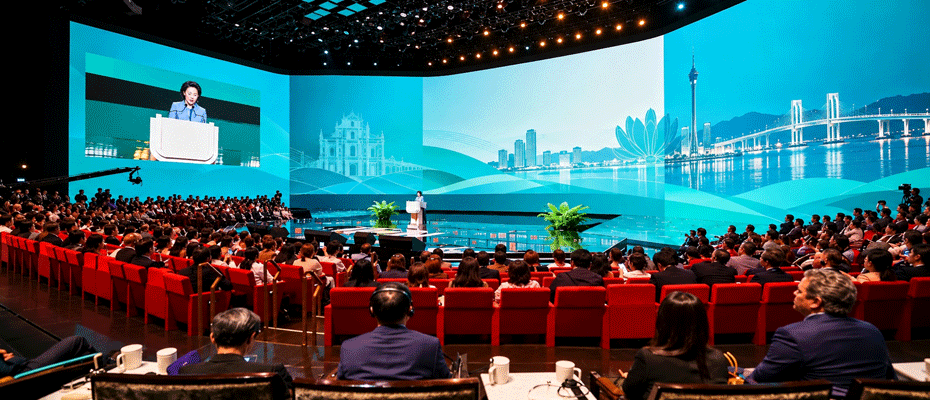
Global Tourism Economy Forum in Macao strengthens international tourism cooperation
The 2026 edition brought together around 1,300 participants and generated more than 1,000 business matchmaking contacts, with Hainan set to host the next forum in 2027
 Read the News
Holland America Line marks 80 years in Alaska with new heritage tour collection
More than 35 excursions celebrating Alaska’s railways, glaciers, wildlife and cultural history will be available on selected cruises and land-and-sea journeys in 2027
 Read the News
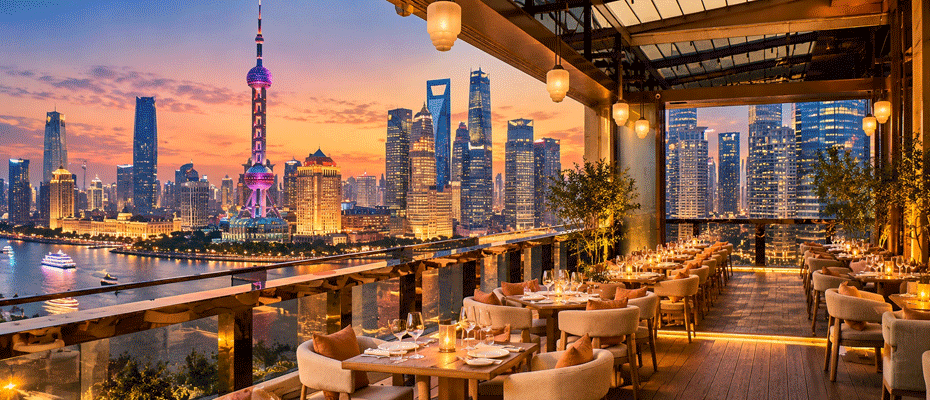
Shanghai’s St. Regis on the Bund Earns Michelin Key on Second Anniversary
The luxury hotel celebrates two years with international recognition, new suites and an expanded focus on gastronomy and cultural experiences
 Read the News
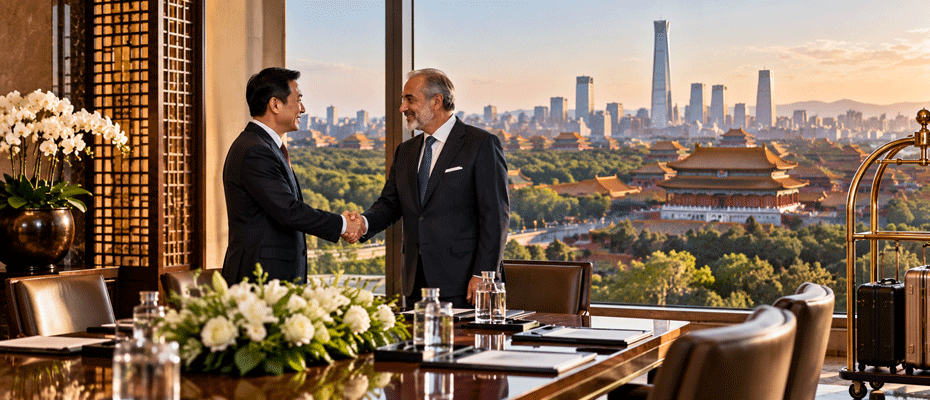
Kempinski and BTG Hotels plan to deepen luxury hospitality partnership in China
The two hotel groups aim to expand their cooperation through new luxury hotel projects, additional investment in operational resources and opportunities in international markets
 Read the News
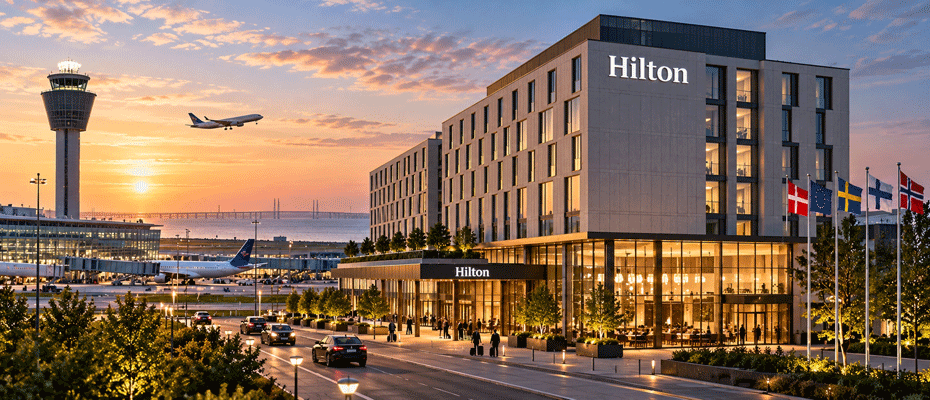
Hilton and Scandic agree on hotel expansion across the Nordics
The strategic partnership covers four Nordic countries, with a 284-room Hilton hotel near Copenhagen Airport scheduled to open in 2029
 Read the News
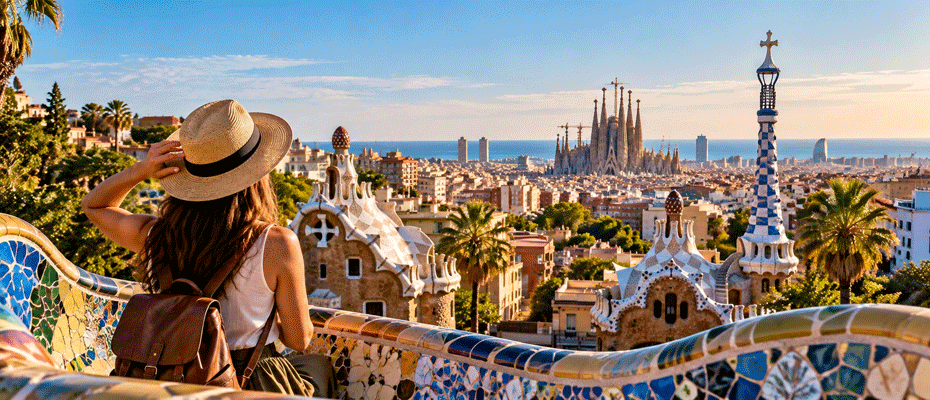
Spain’s tourism economy set to exceed €269 billion in 2026
WTTC raises its growth forecast to 4.1%, with Spain outperforming European and global tourism markets as international spending reaches record levels
 Read the News
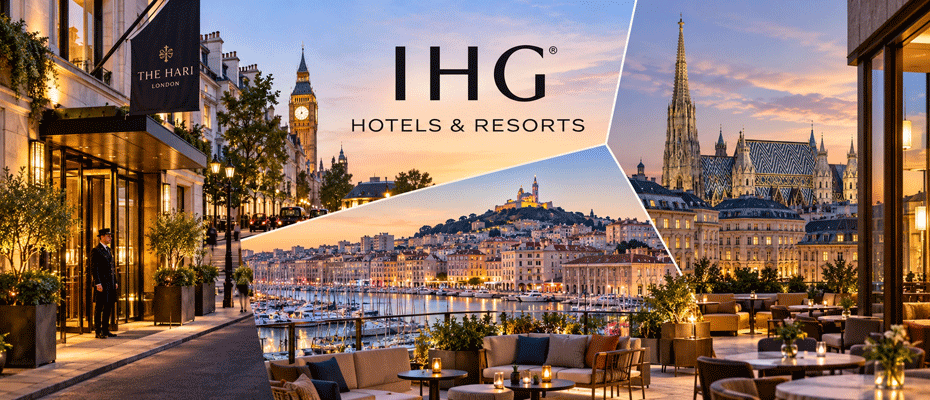
IHG reaches milestone of 1,000 hotels across Europe
The hotel group has expanded its European portfolio by more than 25% in three years and has over 280 additional properties in development
 Read the News
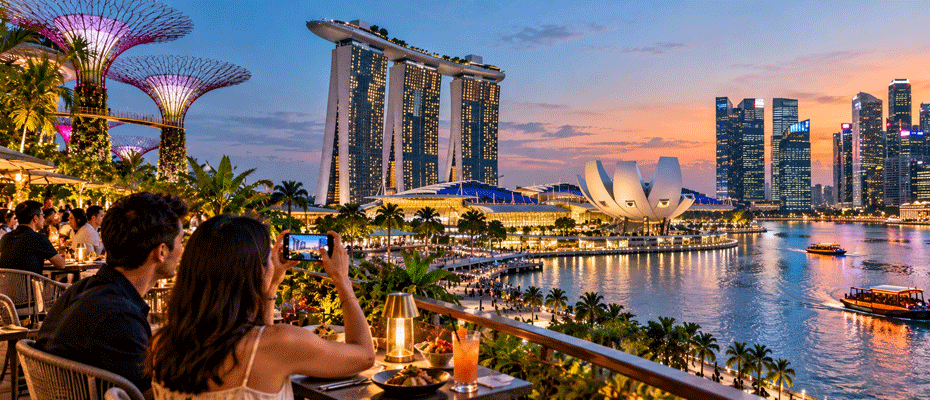
Visa and Singapore Tourism Board Launch Three-Year Tourism Partnership
The collaboration will introduce exclusive visitor experiences, data-driven marketing and new initiatives to encourage international travellers to explore Singapore
 Read the News
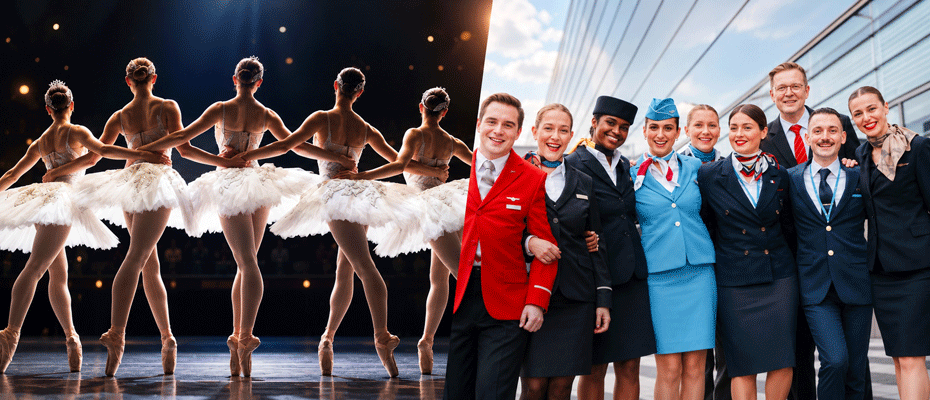
Lufthansa Group launches first consumer campaign under its umbrella brand
The “Greatness is a Group effort” campaign highlights the benefits of an integrated airline network while preserving the individual identities of its carriers
 Read the News
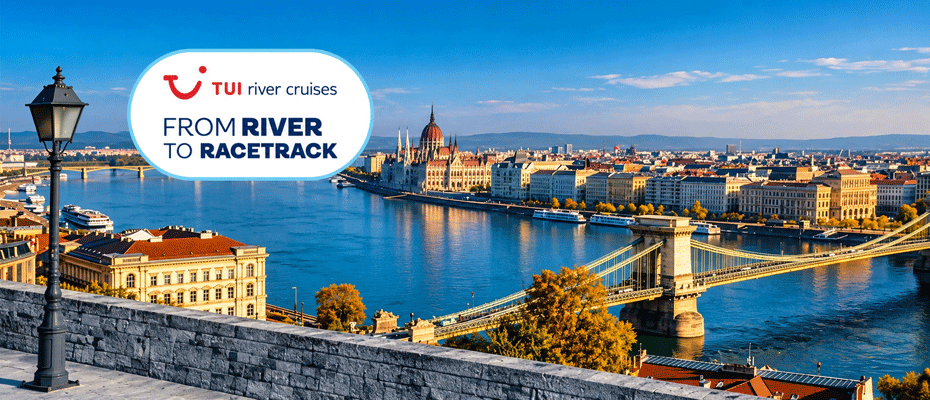
TUI River Cruises launches Danube cruise with Hungarian Grand Prix tickets
The seven-night sailing aboard TUI Maya in July 2027 combines Vienna, Bratislava and Budapest with three days of grandstand access at the Hungaroring
 Read the News
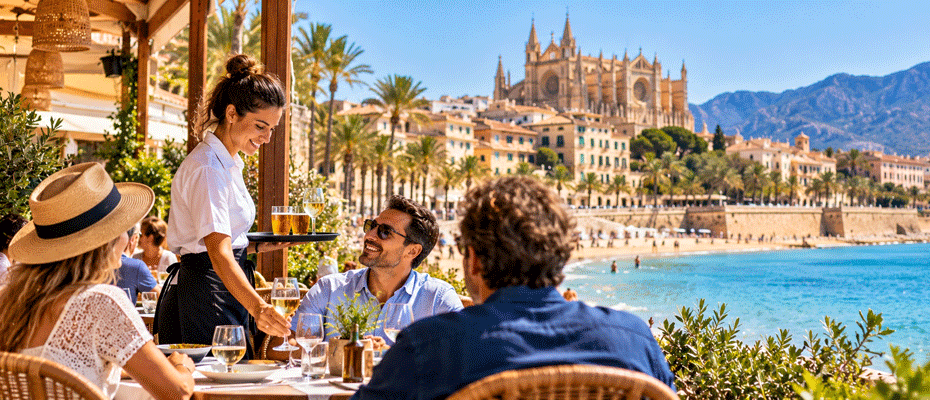
Tourism employment in Spain exceeds three million in September
Tourism-related employment rises by 4.7% year on year, with hospitality driving growth and the Valencian Community recording the strongest regional increase
 Read the News

Thailand targets high-value tourism with new wellness strategy for 2027
At ITB Asia in Singapore, the Tourism Authority of Thailand is promoting wellness, emerging destinations and new partnerships as it shifts its focus from visitor numbers to tourism value
 Read the News
Kimpton launches global culinary programme with secret menus and chef-led experiences
The IHG luxury and lifestyle brand introduces The Curious Palate, bringing locally inspired dining, international chef collaborations and new food experiences to its hotels worldwide
 Read the News
Belavia Launches Direct Flights from Minsk to Bangkok and Phuket
Thailand strengthens its connections with Eastern Europe as the Belarusian airline introduces scheduled long-haul services for the winter season
 Read the News
JETOUR Expands Travel+ Ecosystem with Smart Mobility and Outdoor Experiences
The Chinese automaker is combining intelligent vehicle technology, off-road capabilities and conservation initiatives to develop new approaches to independent travel
 Read the News
Lufthansa launches nonstop flights between Frankfurt and Kuala Lumpur
The new year-round service operates five times weekly with Boeing 787-9 aircraft, introducing Lufthansa’s Allegris cabin to Malaysia