Tourexpi

Latin America: Travel frequency rises as AI reshapes trip planning

Latin American travellers are taking trips more
frequently while placing greater emphasis on experiences and increasingly using
artificial intelligence to plan their journeys. New research published by
Civitatis points to a changing outbound market in which digital tools play an
expanding role, although trusted brands and traveller reviews remain more
influential when it comes to making a booking.
The findings combine Civitatis data with The LATAM
Experiences Traveler, a study by Arival and Phocuswright based on 1,200
travellers from Argentina, Brazil and Mexico. According to Civitatis, travel
frequency among its Latin American market increased by 32.53% during 2025,
compared with 14.15% in Spain.
Brazil leads in travel frequency
Travel behaviour varies considerably between the three
Latin American markets covered by the research. Brazilian respondents travel
most frequently, with 30% taking four or more trips per year. The corresponding
share is 21% among Argentinians and 19% among Mexicans.
Argentina and Brazil stand out for longer stays, with
trips typically lasting between eight and nine nights. Despite spending more
time away from home, expenditure per trip remains below the levels recorded
among US and European travellers, according to the report.
The figures underline the growing importance of Latin
America not only as an inbound tourism region but also as a source market with
increasingly active travellers.
Experiences influence destination choice
Activities and experiences are becoming important much
earlier in the travel decision process. According to the study, 60% of
respondents consider experiences very or extremely important when deciding
where to travel.
When choosing individual activities, 68% of travellers
said they value an expert selection of experiences. This ranks ahead of
language convenience, cited by 64%, and direct recommendations from a website,
mentioned by 58%.
For tourism companies, the findings suggest that
simply offering a large inventory may not be enough. Product selection,
reputation and credible reviews are becoming important factors in converting
inspiration into a purchase.
AI gains ground in travel planning
Artificial intelligence is already widely used during
the early stages of travel planning. Seven out of ten respondents said they had
used AI when organising a trip. The proportion rises to 80% among travellers
under 35 and 78% among higher-income respondents.
Travellers primarily use the technology to select
destinations, find inspiration and research accommodation and other options.
Its influence drops sharply, however, when travellers move from research to
purchasing.
Only 12% said they use AI tools to book an experience.
At this stage, established sources of trust remain considerably more important:
77% prioritise a trusted brand and 72% consider reviews from other travellers
important, compared with 42% who attach importance to recommendations generated
by AI.
The figures reveal a clear distinction between AI as
an inspiration and research tool and its role as a transactional channel. For
travel companies targeting Latin American customers, building trust remains
crucial even as AI becomes increasingly embedded in the planning process.
Mexico, Brazil and Argentina require different
approaches
The research also challenges the idea of a single
Latin American traveller profile. Consumer behaviour differs significantly
between the three major markets examined.
In Mexico, demand is increasingly oriented towards
organised activities available in the traveller's own language. “The Mexican
traveller has evolved: they are digital, plan ahead and seek to ‘fill the trip’
with authentic experiences in their own language,” said Juan Rossello, Country
Manager Mexico at Civitatis.
Brazil presents a different distribution challenge,
with customers moving between different channels during the purchasing process.
“Omnichannel is no longer an option, but an imperative necessity to connect
effectively with the end customer,” said Alexandre Oliveira, Country Manager
Brazil at Civitatis.
Economic conditions remain particularly influential in
Argentina. “Instalment payments continue to be a determining factor when
booking an activity,” said Nicolás Posse, Country Manager Argentina at
Civitatis.
Latin America emerges as a more complex source market
Taken together, the findings point to a Latin American
outbound market characterised by more frequent travel, strong interest in
destination experiences and rapidly changing digital behaviour.
They also show why tourism companies need to look
beyond regional averages. Brazilian travel frequency, Mexican demand for
organised experiences and the importance of payment flexibility in Argentina
illustrate substantially different consumer dynamics.
At the same time, the rapid adoption of AI introduces
another layer to the distribution landscape. Travellers may increasingly turn
to algorithms for ideas and research, but when money changes hands, familiar
brands and the experiences of other travellers still carry considerable weight.
Image Credit: © AI generated illustration
The most interesting news
 Read the News

WTTC aims to support one million tourism SMEs worldwide
New research suggests that improving productivity among smaller tourism businesses could generate an additional US$63 billion in direct tourism GDP across eight major economies
 Read the News
European travel and tourism growth to reach 3.1% in 2026
WTTC forecasts stronger growth than the wider economy as more than 1,000 industry leaders gather in Malta for the organisation’s Global Summit
 Read the News
Atlas Ocean Voyages expands Antarctica programme for 2028/29
The cruise line introduces 25 polar expeditions, more fly-and-sail departures and extended itineraries reaching South Georgia, the Falkland Islands and the Antarctic Circle
 Read the News

Lufthansa named Best European Airline at Asian travel awards
Travel industry professionals across Asia recognise Lufthansa as the airline prepares to introduce its new Allegris cabins on flights to Singapore and Kuala Lumpur
 Read the News
Biman Bangladesh Airlines orders 10 Airbus aircraft for fleet expansion
The national carrier plans to introduce A350-900 and A321neo aircraft from 2033, strengthening long-haul and regional operations alongside major Boeing orders
 Read the News
Ryanair to suspend all Bremen flights from April 2027
The airline plans to withdraw 500,000 annual seats from the German airport, citing high operating costs and aviation taxes as it shifts capacity to other European markets
 Read the News

LOT Polish Airlines launches direct Warsaw–Bangkok flights
The new connection strengthens Thailand’s access to Central European markets, with five weekly flights planned for winter and Polish arrivals expected to reach 250,000 in 2026
 Read the News
Six Mexican beaches rank among the Americas’ best in 2026
Tulum takes second place in the Condé Nast Traveller Readers’ Choice Awards, while destinations in Baja California Sur, Jalisco and Nayarit also receive recognition
 Read the News
Da Nang strengthens MICE appeal with new Marriott event facilities
Courtyard by Marriott Danang Han River offers 13 meeting venues, a rooftop event space and 296 rooms as the Vietnamese city targets nearly 93,000 business event visitors in 2026
 Read the News
Delta expands free Wi-Fi to trans-Pacific flights in October
The airline has secured regulatory approval to extend Delta Sync connectivity across its Pacific network, completing the final major stage of its global Wi-Fi rollout
 Read the News
Thailand plans tourism experiences for transit passengers
New partnership between tourism and aviation organisations aims to turn longer flight connections into short visits to local attractions, restaurants and communities
 Read the News
IHG opens InterContinental Taipei with 347 rooms and seven restaurants
Located within the Taipei Dome complex, the new luxury hotel strengthens IHG’s presence in Taiwan and expands its partnership with Farglory Group
 Read the News
TransNusa increases Jakarta–Singapore flights to four daily
Indonesian carrier expands capacity on the busy regional route, offering additional evening connections for business and leisure travellers
 Read the News
Marriott identifies local cuisine as Asia Pacific’s leading dining trend
New Future of Food 2027 report highlights growing demand for regional flavours, informal dining spaces and shorter fine-dining experiences
 Read the News
Delta postpones Atlanta–Riyadh flights until March 2027
The US airline delays its planned nonstop service to Saudi Arabia amid regional developments, offering affected passengers flexible rebooking and refund options
 Read the News
Thailand launches nationwide travel sales campaign in Spain
Tourism Authority of Thailand partners with Viajes El Corte Inglés to promote winter holidays, targeting 20 million consumer impressions and 3,000 package bookings
 Read the News
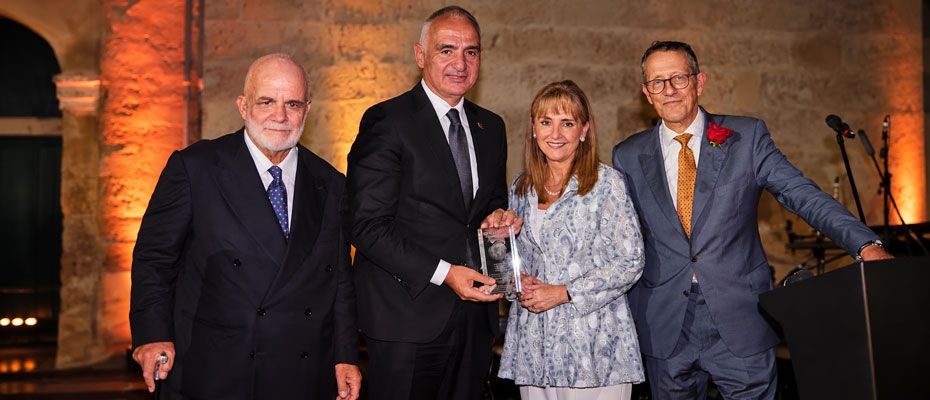
WTTC honours Türkiye’s Tourism Minister Mehmet Nuri Ersoy
The Global Champion Award recognises public-private cooperation and tourism development as Türkiye’s travel economy is forecast to grow further in 2026
 Read the News
WTTC identifies eight priorities to strengthen European tourism
New research forecasts Europe’s travel and tourism economy will reach US$3.8 trillion by 2036, but warns that investment, connectivity and workforce shortages require urgent policy attention
 Read the News
Marriott Bonvoy brings 14 Hong Kong hotels to Wine & Dine Festival
The four-day culinary event will feature leading chefs, mixologists and new tasting experiences celebrating Hong Kong’s diverse food culture
 Read the News
Anantara opens luxury safari camp in Zambia’s Kafue National Park
The new 13-suite riverside retreat combines wildlife safaris, conservation initiatives and private wellness experiences in one of Africa’s largest national parks
 Read the News
EXPO 2027 Belgrade strengthens tourism cooperation with North Macedonia
Business networking in Skopje highlights joint travel opportunities as Serbia prepares to welcome an estimated four million visits during the international exhibition