Tourexpi

ITB survey reveals shifting safety perceptions among LGBTQ+ travellers
Safety is becoming an increasingly important factor in
travel decisions among LGBTQ+ travellers. A new survey by ITB Berlin, A3M
Global Monitoring and Diversity Tourism shows that legal protections alone do
not determine whether a destination is perceived as safe. Social acceptance,
regional differences and personal experiences with authorities, service
providers and local communities also play a significant role.
The LGBTQ+ Travel Safety Survey 2026 was conducted
between December 2025 and May 2026 and supplemented by interviews with tourism
experts and experienced LGBTQ+ travellers. Combined with A3M Global
Monitoring's updated LGBTQ+ Risk Map 2026, the study provides a picture of
changing perceptions of safety and acceptance around the world.
Two years of data reveal changing perceptions
The latest survey follows the first study conducted in
2025, allowing developments to be compared over time for the first time. A
total of 69 travel experts and travellers assessed 28 countries in the 2026
edition. Across the two surveys, data are now available for 46 countries and
territories.
The organisers stress that the results should not be
interpreted as an international ranking. Instead, they provide a qualitative
analysis of travellers' experiences and perceptions, complementing assessments
based primarily on legislation.
The findings indicate that LGBTQ+ travellers are
increasingly considering acceptance, visibility and personal safety alongside
traditional criteria such as price, services and infrastructure when choosing a
destination. Experiences can also differ considerably within the community,
with transgender, non-binary and other marginalised travellers reporting
insecurity and discrimination more frequently.
Canada and the Netherlands receive highest ratings
Canada and the Netherlands achieve the strongest
overall assessments for social acceptance, while Spain and Austria also perform
particularly well. Respondents report predominantly positive experiences
regarding respectful treatment of LGBTQ+ individuals and couples, public
displays of affection and interactions with police and authorities in Canada
and the Netherlands.
The results nevertheless underline that national
legislation does not necessarily reflect everyday experiences throughout an
entire country. Even destinations with extensive LGBTQ+ rights can show
considerable regional differences in perceived safety and acceptance.
Sharp deterioration in perceptions of the US
The most significant change compared with the previous
survey concerns the United States. Only 17 per cent of respondents in 2026
agreed that LGBTQ+ individuals and couples are treated respectfully in society,
compared with 35 per cent in 2025.
Perceptions of police treatment followed a similar
pattern, falling from 39 to 17 per cent. The share of respondents who believed
LGBTQ+ people could safely report discrimination or hate crimes declined from
52 to 33 per cent.
At the same time, the picture is not uniformly
negative. The proportion of respondents who perceived an active LGBTQ+ scene
accessible to tourists increased from 61 to 83 per cent. In 2026, all
respondents confirmed the existence of popular LGBTQ+ areas. The findings
suggest that established communities and major urban centres continue to
provide important safe spaces despite concerns about the wider social climate.
Germany shows widening regional differences
Germany receives a mixed assessment. Respondents
recognise extensive legal protections and equality while reporting substantial
differences between urban and rural areas. Major cities are generally perceived
as more open and safe, while reservations or hostility are reported more
frequently in conservative regions.
The proportion of respondents identifying certain
parts of Germany as areas of increased risk for LGBTQ+ people rose from 65 per
cent in 2025 to 71 per cent in 2026.
Digital risks emerge as a growing concern
Safety concerns are also shifting into the digital
sphere. Experts interviewed for the survey report cases in which dating apps
and social media platforms have been used to target LGBTQ+ people for scams,
robbery or attacks. Such incidents are not confined to countries with
restrictive LGBTQ+ legislation and have also been reported in Europe.
Preparation therefore remains an important part of
travel planning. Information about local laws, experiences reported by other
travellers, LGBTQ+-friendly accommodation and advice from specialist tour
operators can help travellers assess potential risks. Local expertise can be
particularly important in destinations where the legal or social situation is
complex.
Risk Map records progress and setbacks
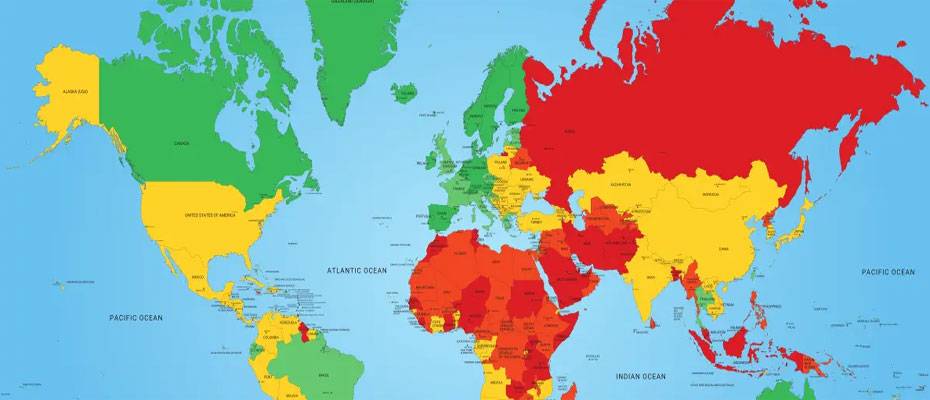
Alongside the survey, A3M Global Monitoring has
published its updated LGBTQ+ Risk Map 2026. The analysis records positive
developments in countries including Canada, the Netherlands, Austria, China and
Colombia.
Elsewhere, restrictions have increased. Niger,
Senegal, Burkina Faso, Kazakhstan and Belarus are among the countries where new
regulations or tighter legal restrictions have affected LGBTQ+ rights,
visibility or organisation.
ITB Berlin, A3M Global Monitoring and Diversity
Tourism intend to repeat the survey annually to create a long-term database
tracking LGBTQ+ travel safety. The aim is to identify changes over time and
provide guidance for both travellers and the tourism industry.
Image
Credit: © A3M Global Monitoring
The most interesting news
 Read the News

WTTC aims to support one million tourism SMEs worldwide
New research suggests that improving productivity among smaller tourism businesses could generate an additional US$63 billion in direct tourism GDP across eight major economies
 Read the News
European travel and tourism growth to reach 3.1% in 2026
WTTC forecasts stronger growth than the wider economy as more than 1,000 industry leaders gather in Malta for the organisation’s Global Summit
 Read the News
Atlas Ocean Voyages expands Antarctica programme for 2028/29
The cruise line introduces 25 polar expeditions, more fly-and-sail departures and extended itineraries reaching South Georgia, the Falkland Islands and the Antarctic Circle
 Read the News

Lufthansa named Best European Airline at Asian travel awards
Travel industry professionals across Asia recognise Lufthansa as the airline prepares to introduce its new Allegris cabins on flights to Singapore and Kuala Lumpur
 Read the News
Biman Bangladesh Airlines orders 10 Airbus aircraft for fleet expansion
The national carrier plans to introduce A350-900 and A321neo aircraft from 2033, strengthening long-haul and regional operations alongside major Boeing orders
 Read the News
Ryanair to suspend all Bremen flights from April 2027
The airline plans to withdraw 500,000 annual seats from the German airport, citing high operating costs and aviation taxes as it shifts capacity to other European markets
 Read the News

LOT Polish Airlines launches direct Warsaw–Bangkok flights
The new connection strengthens Thailand’s access to Central European markets, with five weekly flights planned for winter and Polish arrivals expected to reach 250,000 in 2026
 Read the News
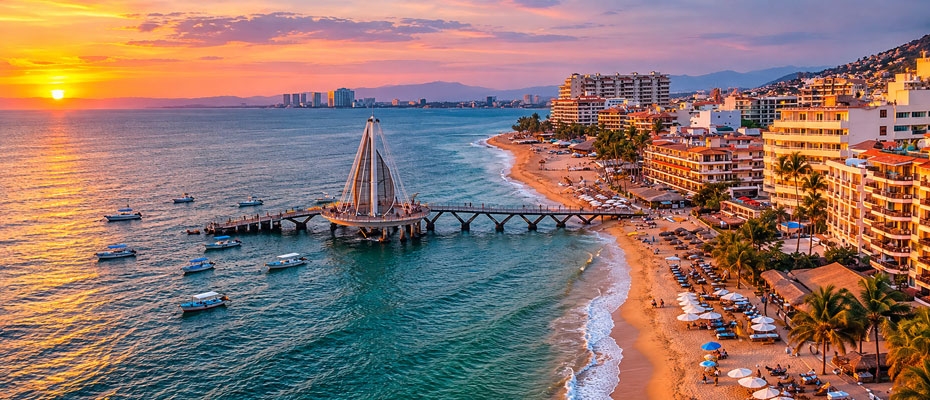
Six Mexican beaches rank among the Americas’ best in 2026
Tulum takes second place in the Condé Nast Traveller Readers’ Choice Awards, while destinations in Baja California Sur, Jalisco and Nayarit also receive recognition
 Read the News
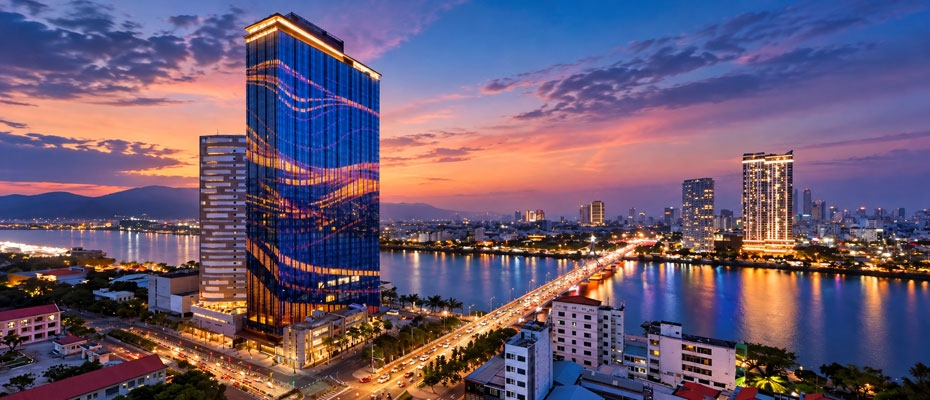
Da Nang strengthens MICE appeal with new Marriott event facilities
Courtyard by Marriott Danang Han River offers 13 meeting venues, a rooftop event space and 296 rooms as the Vietnamese city targets nearly 93,000 business event visitors in 2026
 Read the News
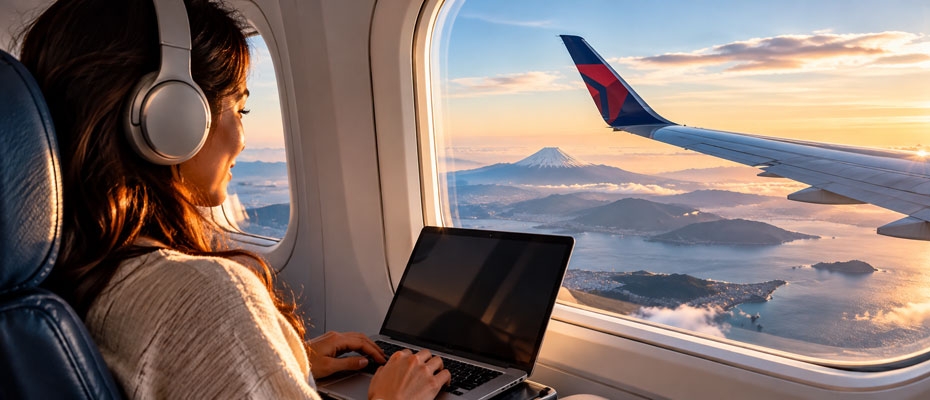
Delta expands free Wi-Fi to trans-Pacific flights in October
The airline has secured regulatory approval to extend Delta Sync connectivity across its Pacific network, completing the final major stage of its global Wi-Fi rollout
 Read the News
Thailand plans tourism experiences for transit passengers
New partnership between tourism and aviation organisations aims to turn longer flight connections into short visits to local attractions, restaurants and communities
 Read the News
IHG opens InterContinental Taipei with 347 rooms and seven restaurants
Located within the Taipei Dome complex, the new luxury hotel strengthens IHG’s presence in Taiwan and expands its partnership with Farglory Group
 Read the News
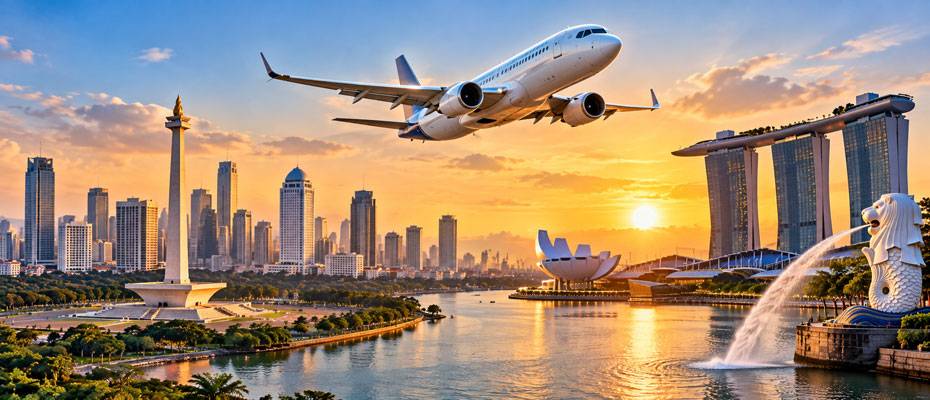
TransNusa increases Jakarta–Singapore flights to four daily
Indonesian carrier expands capacity on the busy regional route, offering additional evening connections for business and leisure travellers
 Read the News
Marriott identifies local cuisine as Asia Pacific’s leading dining trend
New Future of Food 2027 report highlights growing demand for regional flavours, informal dining spaces and shorter fine-dining experiences
 Read the News
Delta postpones Atlanta–Riyadh flights until March 2027
The US airline delays its planned nonstop service to Saudi Arabia amid regional developments, offering affected passengers flexible rebooking and refund options
 Read the News
Thailand launches nationwide travel sales campaign in Spain
Tourism Authority of Thailand partners with Viajes El Corte Inglés to promote winter holidays, targeting 20 million consumer impressions and 3,000 package bookings
 Read the News
WTTC honours Türkiye’s Tourism Minister Mehmet Nuri Ersoy
The Global Champion Award recognises public-private cooperation and tourism development as Türkiye’s travel economy is forecast to grow further in 2026
 Read the News
WTTC identifies eight priorities to strengthen European tourism
New research forecasts Europe’s travel and tourism economy will reach US$3.8 trillion by 2036, but warns that investment, connectivity and workforce shortages require urgent policy attention
 Read the News
Marriott Bonvoy brings 14 Hong Kong hotels to Wine & Dine Festival
The four-day culinary event will feature leading chefs, mixologists and new tasting experiences celebrating Hong Kong’s diverse food culture
 Read the News
Anantara opens luxury safari camp in Zambia’s Kafue National Park
The new 13-suite riverside retreat combines wildlife safaris, conservation initiatives and private wellness experiences in one of Africa’s largest national parks
 Read the News
EXPO 2027 Belgrade strengthens tourism cooperation with North Macedonia
Business networking in Skopje highlights joint travel opportunities as Serbia prepares to welcome an estimated four million visits during the international exhibition