Tourexpi

China: Qinghai-Xizang Railway Marks 20 Years of High-Altitude Operations
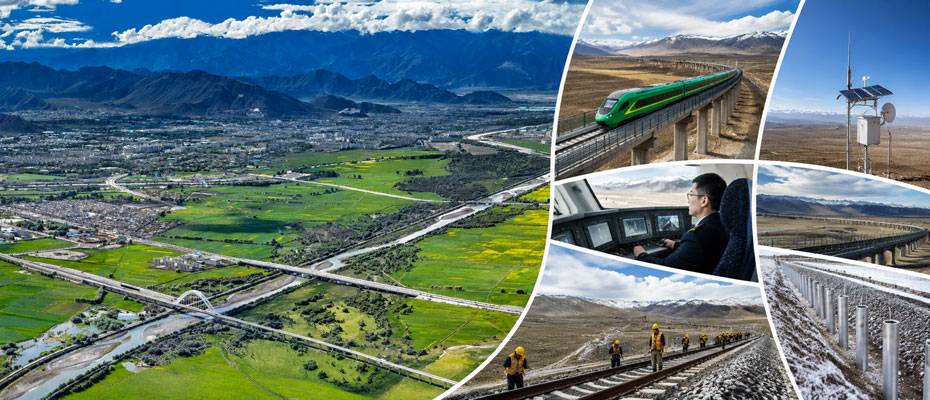
Twenty years after trains began running to Lhasa, the
Qinghai-Xizang Railway has become both a major transport link and an unusual
laboratory for railway engineering. Crossing the world’s highest plateau, the
1,956-kilometre line connects Xining in Qinghai province with Lhasa in the
Xizang autonomous region.
Since its inauguration, the railway has handled 104
million passenger journeys and more than 824 million tonnes of freight. Its
most technically challenging section runs for 1,142 kilometres between Golmud
and Lhasa and opened on 1 July 2006. With an average elevation of 4,440 metres,
it exposes trains, tracks and electronic systems to low oxygen levels, extreme
temperatures and extensive areas of permafrost.
Two decades of operation have therefore depended on
engineering solutions developed specifically for one of the harshest railway
environments in the world.
51 stations operate without on-site staff
Of the 58 stations between Golmud and Lhasa, 51 are
remotely controlled and unattended. Digital train control has played a central
role in allowing the railway to operate across vast, sparsely populated areas
of the plateau.
The original system relied on satellite positioning,
allowing trains to be tracked even where conventional ground signals were
impractical.
“Wherever the train goes, you can see it from the
sky,” says Zhang Huxiong, head of safety and quality inspection at the Golmud
Electric Depot of the Qinghai-Xizang Railway.
China subsequently adapted a domestically developed
train monitoring system to the demanding plateau environment. Electrical
components were modified to withstand severe cold and low-oxygen conditions,
while work focused on increasing reliability and reducing maintenance
requirements.
The plateau-adapted system is now in operation on the
Golmud-Lhasa section and can be maintained using domestic technology and
expertise.
550 kilometres of permafrost present an engineering
challenge
Keeping trains moving is only part of the challenge.
Around 550 kilometres of the railway cross core permafrost areas, where changes
in ground temperature can destabilise the track bed.
“The success of the Qinghai-Xizang Railway lies in the
subgrade, and the success of the subgrade lies in the permafrost,” says Li
Yongqiang, chief engineer of the Northwest Research Institute of China Railway
Group.
Research into the problem began decades before the
railway opened. China established its first permafrost observation station on
the northern slope of Fenghuoshan Mountain in 1961. Located at an elevation of
4,750 metres, the station remains operational today.
The research eventually produced one of the railway’s
most distinctive engineering features: rows of metal thermosiphons installed
alongside the tracks.
Thermosiphons keep frozen ground stable
The sealed pipes contain liquid ammonia and use
natural temperature differences to remove heat from the ground without
requiring an external energy supply.
During warmer periods, the liquid absorbs heat and
vaporises. The vapour rises through the pipe before condensing as temperatures
fall, transferring heat away from the permafrost. The process helps prevent
thawing beneath the railway embankment and the resulting deformation of the
track.
The technology has been protecting the route
throughout its first two decades of operation, but rising temperatures are
creating new challenges.
The original engineering assumptions allowed for an
increase in temperature of approximately 1.5°C over 50 years. More recent
projections indicate that the increase could reach 2°C.
Solar-powered system increases cooling capacity
Researchers have responded by developing a new
generation of solar-powered thermosiphons. The technology makes use of the
plateau’s intense solar radiation and large differences between daytime and
nighttime temperatures.
According to the researchers, the new system provides
1.5 times the cooling capacity of conventional thermosiphons. It has already
been deployed across 117 permafrost sections of the Qinghai-Xizang Railway and
has reduced settlement by more than 70%.
Monitoring over the past 20 years shows that 96% of
subgrade settlement in permafrost sections has remained within 20 millimetres.
The railway was designed for a maximum settlement of 50 millimetres.
Trains maintain 100 km/h across the plateau
The stability of the infrastructure allows trains to
operate at speeds of up to 100 km/h on the high-altitude permafrost railway.
According to the report, this is the highest operating speed achieved by a
railway under comparable high-altitude permafrost conditions.
While the numbers underline the railway’s transport
role, its first 20 years also illustrate the scale of the engineering challenge
behind the route. Remote digital control, decades of permafrost research and
increasingly sophisticated cooling systems have allowed regular train services
to continue across a landscape where altitude, cold and a changing climate
constantly test the infrastructure.
Image Credit: © AI generated illustration with material courtesy of Science
and Technology Daily
The most interesting news
 Read the News

WTTC aims to support one million tourism SMEs worldwide
New research suggests that improving productivity among smaller tourism businesses could generate an additional US$63 billion in direct tourism GDP across eight major economies
 Read the News
European travel and tourism growth to reach 3.1% in 2026
WTTC forecasts stronger growth than the wider economy as more than 1,000 industry leaders gather in Malta for the organisation’s Global Summit
 Read the News
Atlas Ocean Voyages expands Antarctica programme for 2028/29
The cruise line introduces 25 polar expeditions, more fly-and-sail departures and extended itineraries reaching South Georgia, the Falkland Islands and the Antarctic Circle
 Read the News

Lufthansa named Best European Airline at Asian travel awards
Travel industry professionals across Asia recognise Lufthansa as the airline prepares to introduce its new Allegris cabins on flights to Singapore and Kuala Lumpur
 Read the News
Biman Bangladesh Airlines orders 10 Airbus aircraft for fleet expansion
The national carrier plans to introduce A350-900 and A321neo aircraft from 2033, strengthening long-haul and regional operations alongside major Boeing orders
 Read the News
Ryanair to suspend all Bremen flights from April 2027
The airline plans to withdraw 500,000 annual seats from the German airport, citing high operating costs and aviation taxes as it shifts capacity to other European markets
 Read the News

LOT Polish Airlines launches direct Warsaw–Bangkok flights
The new connection strengthens Thailand’s access to Central European markets, with five weekly flights planned for winter and Polish arrivals expected to reach 250,000 in 2026
 Read the News
Six Mexican beaches rank among the Americas’ best in 2026
Tulum takes second place in the Condé Nast Traveller Readers’ Choice Awards, while destinations in Baja California Sur, Jalisco and Nayarit also receive recognition
 Read the News
Da Nang strengthens MICE appeal with new Marriott event facilities
Courtyard by Marriott Danang Han River offers 13 meeting venues, a rooftop event space and 296 rooms as the Vietnamese city targets nearly 93,000 business event visitors in 2026
 Read the News
Delta expands free Wi-Fi to trans-Pacific flights in October
The airline has secured regulatory approval to extend Delta Sync connectivity across its Pacific network, completing the final major stage of its global Wi-Fi rollout
 Read the News
Thailand plans tourism experiences for transit passengers
New partnership between tourism and aviation organisations aims to turn longer flight connections into short visits to local attractions, restaurants and communities
 Read the News
IHG opens InterContinental Taipei with 347 rooms and seven restaurants
Located within the Taipei Dome complex, the new luxury hotel strengthens IHG’s presence in Taiwan and expands its partnership with Farglory Group
 Read the News
TransNusa increases Jakarta–Singapore flights to four daily
Indonesian carrier expands capacity on the busy regional route, offering additional evening connections for business and leisure travellers
 Read the News
Marriott identifies local cuisine as Asia Pacific’s leading dining trend
New Future of Food 2027 report highlights growing demand for regional flavours, informal dining spaces and shorter fine-dining experiences
 Read the News
Delta postpones Atlanta–Riyadh flights until March 2027
The US airline delays its planned nonstop service to Saudi Arabia amid regional developments, offering affected passengers flexible rebooking and refund options
 Read the News
Thailand launches nationwide travel sales campaign in Spain
Tourism Authority of Thailand partners with Viajes El Corte Inglés to promote winter holidays, targeting 20 million consumer impressions and 3,000 package bookings
 Read the News
WTTC honours Türkiye’s Tourism Minister Mehmet Nuri Ersoy
The Global Champion Award recognises public-private cooperation and tourism development as Türkiye’s travel economy is forecast to grow further in 2026
 Read the News
WTTC identifies eight priorities to strengthen European tourism
New research forecasts Europe’s travel and tourism economy will reach US$3.8 trillion by 2036, but warns that investment, connectivity and workforce shortages require urgent policy attention
 Read the News
Marriott Bonvoy brings 14 Hong Kong hotels to Wine & Dine Festival
The four-day culinary event will feature leading chefs, mixologists and new tasting experiences celebrating Hong Kong’s diverse food culture
 Read the News
Anantara opens luxury safari camp in Zambia’s Kafue National Park
The new 13-suite riverside retreat combines wildlife safaris, conservation initiatives and private wellness experiences in one of Africa’s largest national parks
 Read the News
EXPO 2027 Belgrade strengthens tourism cooperation with North Macedonia
Business networking in Skopje highlights joint travel opportunities as Serbia prepares to welcome an estimated four million visits during the international exhibition