Tourexpi

Anime tourism opens new travel opportunities across Asia

Anime, manga and other forms of Asian pop culture are
becoming increasingly visible drivers of travel demand. Digital travel platform
Agoda has identified destinations across Japan, Taiwan, South Korea, the
Philippines and Hong Kong where fictional worlds, artists and fan communities
are developing into tourism attractions in their own right.
The trend extends well beyond visits to conventional
theme parks. Fans are seeking out streets, railway stations and landscapes
associated with their favourite productions, while destinations are responding
with museums, public art and themed districts. Major conventions and cosplay
events add another layer, generating concentrated demand for accommodation and
travel around specific dates.
Faster distribution of entertainment across Asian
markets is helping the trend grow. New productions can now reach audiences in
several countries almost simultaneously, while social media rapidly turns
individual locations into recognisable destinations. For tourism businesses,
this creates opportunities ranging from specialist itineraries to accommodation
around convention venues and lesser-known regional attractions.
Japan turns stories into places
Hokuei in Japan's Tottori Prefecture provides one of
the clearest examples. The small town is the birthplace of Gosho Aoyama,
creator of Detective Conan, and has incorporated the manga character into its
tourism identity.
Yura Station is also known as Conan Station, while the
1.4-kilometre Conan Street leads visitors towards the Gosho Aoyama Manga
Factory. Statues and other references to the series accompany visitors through
the town, effectively transforming a local connection with one creator into a
tourism product.
Near Nagoya, Ghibli Park in Nagakute takes a different
approach. Built on the former Expo 2005 site, the attraction recreates settings
associated with Studio Ghibli productions, including My Neighbor Totoro, Howl's
Moving Castle and Kiki's Delivery Service. Rather than relying primarily on
rides, the park focuses on environments that visitors can explore on foot.
Taiwan's Jiufen represents a less formal version of
screen-inspired tourism. The hillside settlement, with its narrow stairways,
lanterns and traditional teahouses, is frequently associated by visitors with
the atmosphere of Spirited Away. Its established cultural appeal and coastal
setting allow it to attract both pop-culture fans and conventional leisure
travellers.
Fan culture creates urban demand
Elsewhere in Asia, contemporary fan communities are
becoming attractions themselves. In Busan, the Global Webtoon Center and the
annual Busan Webtoon Festival reflect South Korea's strong digital-comics
industry. Seongbuk Traditional Market has also been transformed through
webtoon-inspired murals and artwork.
Manila has developed into an important meeting point
for anime and cosplay fans. Cosplay Mania, staged at the SMX Convention Center,
brings together costumes, artists and Japanese animation music. Such events can
generate highly concentrated demand for hotels, transport and entertainment
around convention districts.
Hong Kong combines major pop-culture events with a
year-round retail scene centred on collectibles, comics and gaming. This gives
the city a product that extends beyond individual convention dates and can be
incorporated into broader urban itineraries.
“What's interesting about this trend is how local it's
become,” said Jay Lee, Regional Director, North Asia, at Agoda. He pointed to
Filipino cosplayers, Korean webtoon artists and Japanese communities building
tourism around manga creators as different expressions of the same development.
For destinations, that diversity is part of anime
tourism's appeal. It can direct visitors towards places outside established
sightseeing circuits while giving major cities another reason to travel tied to
events, shopping and fan communities. As Asian pop culture reaches increasingly
international audiences, these connections between entertainment and physical
destinations are creating a distinct and increasingly marketable travel
segment.
Image Credit: © AI generated illustration
The most interesting news
 Read the News

Lufthansa Group announces largest route expansion since 2020
Ten new long-haul connections, additional flights to the Americas and Asia, and expanded leisure services will shape the group's summer 2027 schedule
 Read the News
Delta expands 2027 transatlantic network with four new routes
New services to Reykjavík, Venice, Athens and Paris will strengthen US–Europe connectivity as the airline extends its seasonal flight programme
 Read the News

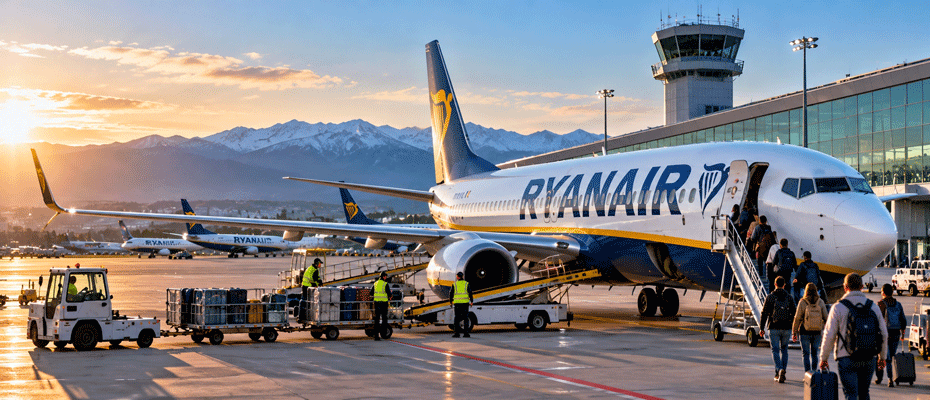
Ryanair adds fourth aircraft at Memmingen Airport for winter 2026
The airline plans 25 routes, including new services to Catania and Tirana, and expects passenger traffic to rise by 21% despite wider capacity reductions in Germany
 Read the News
Delta completes global Wi-Fi coverage with Asia-Pacific expansion
Free onboard internet access is now available to SkyMiles members across Delta’s international network, with full fleet connectivity planned for early 2027
 Read the News

Türkiye targets $70 billion in tourism revenue for 2027
The government plans to increase tourism development funding to $244.5 million as it seeks to strengthen the country's position among the world's leading tourism destinations
 Read the News
Lufthansa retires last Airbus A340-600 after 23 years of service
The final scheduled flight from Washington to Frankfurt marks the end of an era as the airline accelerates its largest long-haul fleet renewal programme
 Read the News
Spain welcomes 11.5 million international air passengers in September
International arrivals rose by 5.1% year on year, bringing the total for the first nine months of 2026 to 90.9 million, according to Turespaña
 Read the News
ROBINSON targets Vietnamese and South Korean travellers with tailored campaigns
TUI Group’s premium club resort brand is promoting ROBINSON NAM HOI AN through two distinct marketing strategies, with influencer partnerships and locally adapted digital content
 Read the News
Yanolja targets Asia-Pacific growth with hotel technology and B2B distribution
At ITB Asia 2026 in Singapore, the South Korean travel technology group will showcase AI-powered hotel operations and expand its accommodation distribution partnerships
 Read the News
Global Tourism Economy Forum in Macao strengthens international tourism cooperation
The 2026 edition brought together around 1,300 participants and generated more than 1,000 business matchmaking contacts, with Hainan set to host the next forum in 2027
 Read the News
Tomorrowland brings two-day electronic music festival to Shanghai
The sold-out event at Hero Dome combined international DJs, large-scale stage technology and local cultural experiences
 Read the News
Holland America Line marks 80 years in Alaska with new heritage tour collection
More than 35 excursions celebrating Alaska’s railways, glaciers, wildlife and cultural history will be available on selected cruises and land-and-sea journeys in 2027
 Read the News
Lufthansa Group launches first consumer campaign under its umbrella brand
The “Greatness is a Group effort” campaign highlights the benefits of an integrated airline network while preserving the individual identities of its carriers
 Read the News
Tourism employment in Spain exceeds three million in September
Tourism-related employment rises by 4.7% year on year, with hospitality driving growth and the Valencian Community recording the strongest regional increase
 Read the News
United Airlines expands meal preordering to shorter flights
The airline extends its Economy food preordering service to 420 additional daily flights across North America and the Caribbean
 Read the News

Thailand targets high-value tourism with new wellness strategy for 2027
At ITB Asia in Singapore, the Tourism Authority of Thailand is promoting wellness, emerging destinations and new partnerships as it shifts its focus from visitor numbers to tourism value
 Read the News
Virgin Atlantic launches direct London–Phuket flights for winter 2026/27
Three weekly services from Heathrow strengthen Thailand’s access to the UK market, supported by a joint tourism campaign that has generated more than 9,000 bookings
 Read the News
AMÉRYS Hotel Phu Quoc targets South Korean families with wellness concept
The 113-room Vietnamese island resort opens on 1 November 2026, combining Japanese-designed accommodation, multigenerational wellness facilities and German hotel management
 Read the News
TransNusa launches Melbourne–Bali flights with onward connections across Asia
The Indonesian airline begins its new Australian route with four weekly services, increasing to daily flights from November 15
 Read the News
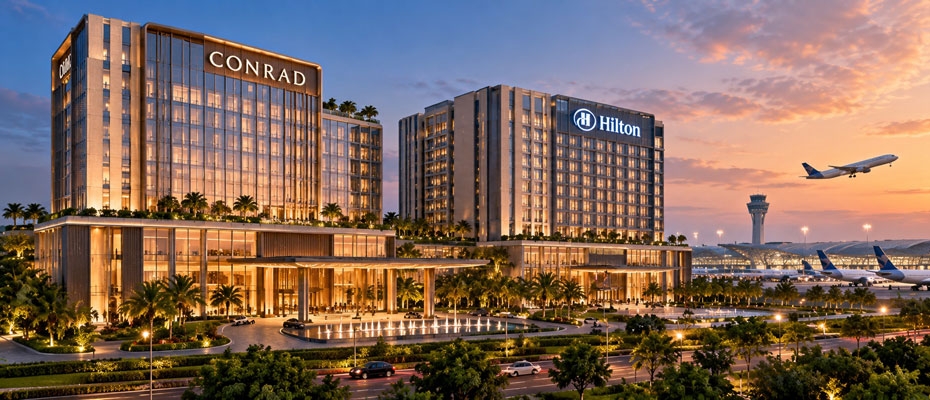
Hilton expands Bengaluru airport portfolio with 600 new hotel rooms
Conrad Bengaluru Airport and Hilton Bengaluru Airport are scheduled to open in 2030, strengthening the city's luxury hospitality and international meetings market
 Read the News
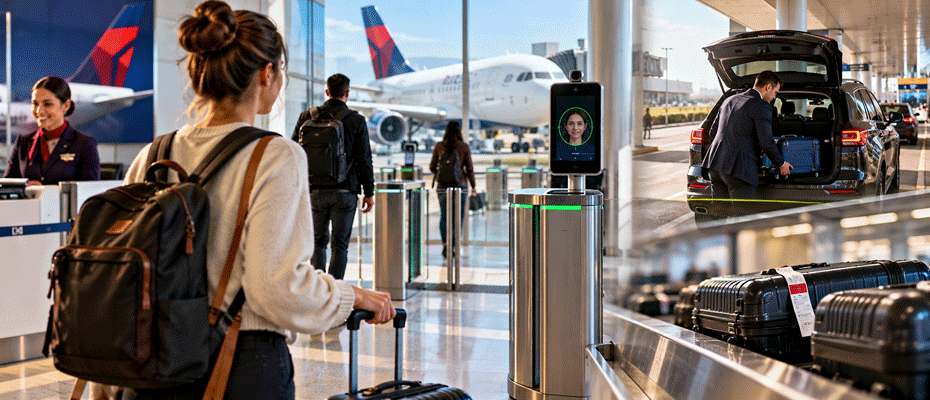
Delta expands seamless baggage transfers and touchless airport services
The airline is simplifying international connections, expanding biometric identity checks and improving airport access through its Uber partnership