Tourexpi

Entrepreneurship opens up new opportunities for women
ITB Berlin’s theme month in May focuses on women in tourism: In an interview, Prof. Dr Claudia Brözel from the Eberswalde University for Sustainable Development explains why entrepreneurship can be a way for women to circumvent structural career barriers, what hurdles female founders face, and why networks are particularly important in tourism. Her research focuses on gender equality, women and career opportunities in the tourism industry, as well as social entrepreneurship in tourism.
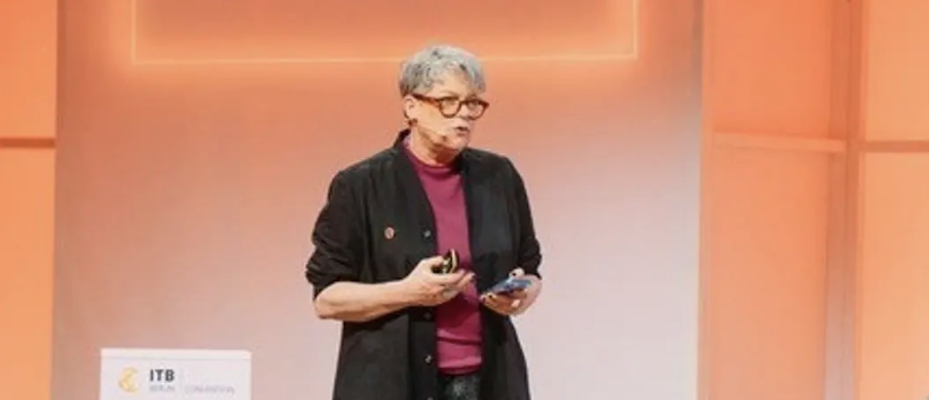
Claudia Brözel at ITB Berlin, where she regularly speaks on the topic of social entrepreneurship. © ITB Berlin
1. Can entrepreneurship in tourism also be a solution to structural career barriers?
Yes. Tourism is an industry where self-employment is often possible without very high entry barriers. Network knowledge, local roots and cultural capital often count for more here than formal hierarchies.
For women, starting a business can therefore be an alternative route when career paths in salaried employment are hampered by glass ceilings, a lack of visibility or informal male networks. At the same time, female entrepreneurship can contribute significantly to socio-economic development, particularly in the Global South, where it often represents a key source of income for households and can reduce local poverty and inequality.
2. Can starting a business in tourism enable greater professional autonomy for women?
Yes, but not automatically. Empowerment through entrepreneurship depends on mindset and the broader context. Greater professional autonomy arises where women can set their own rules: for instance, regarding working hours, company values, community engagement or values-driven leadership.
Many female entrepreneurs in tourism are not merely pursuing traditional growth targets. Often, the focus is also on securing an income, quality of life, and tackling social or environmental challenges through entrepreneurship.
3. Are you currently seeing more women taking the step into self-employment? If so, why now in particular?
The picture is mixed. According to the KfW Start-up Monitor 2025, the proportion of women founding businesses in Germany stood at 36 per cent in 2024, down from 44 per cent the previous year. The long-term average is around 39 per cent. In the start-up ecosystem, the proportion of female founders fell to 18.8 per cent in 2024.
At the same time, female social entrepreneurship is growing. The German Social Entrepreneurship Monitor 2024 shows that around 80.9 per cent of social enterprises have women in their founding teams. Particularly in tourism, where shifting values and sustainability are becoming increasingly important, this is creating new opportunities for female founders who wish to combine purpose with their profession.
4. Do the motivations of female founders in tourism differ from traditional growth-oriented start-up narratives?
Yes, fundamentally. The traditional start-up narrative of scaling, disruption and exit often does not align with the motivations of female founders in tourism. Social entrepreneurship in particular demonstrates how important it is to combine impact with financial sustainability.
Tourism social entrepreneurs create value not only through income, but also through community empowerment, sustainable livelihoods, poverty reduction, healthy communities and cultural heritage. This is not a shortcoming, but a different model of success.
5. What structural barriers do women face when starting a business, and which are specific to the tourism sector?
A key barrier remains access to finance. According to the Female Founders Monitor 2025, 91 per cent of all funding continues to go to all-male founding teams. Women also find it more difficult to secure debt capital and grants during the start-up process.
In tourism, there are additional sector-specific hurdles. The sector is often seen as ‘feminine’ in its execution but ‘masculine’ in its leadership. Seasonality and capital-intensive requirements – for instance regarding infrastructure, licences or locations – make entry even more difficult. Those who cannot draw on family capital or established industry networks start with a structural disadvantage.
6. What framework conditions do women in tourism need to make starting a business a realistic option?
Financing, visibility and structural support are crucial. There is a need for tourism-specific funding programmes with low-threshold access, microloans for social-impact models, and evaluation criteria that take into account not only growth but also impact.
Role models are equally important. Platforms such as ITB Berlin can demonstrate that starting a business in tourism is possible. Added to this are flexible incubator formats, childcare and mentoring programmes that take work-life balance into account.
7. Why are mentoring and networks so crucial for female founders in tourism in particular?
Because markets in tourism depend heavily on trust, reputation and relationships. Historically, these very resources have been unevenly distributed. Mentoring can therefore impart knowledge whilst simultaneously opening doors that would be harder for female founders to reach without the relevant networks.
The Social Entrepreneurship Competition in Tourism connects finalists from over 60 countries within an international network. The programme offers one-to-one and peer mentoring and strengthens skills in areas such as pitching, human-centred design, business modelling and impact measurement.
8. What is still missing to ensure that platforms such as the ITB Talent Hub actually produce more female founders?
Above all, the step from inspiration to concrete implementation is needed. Many talent platforms generate enthusiasm, but not always a clear next step. Concrete funding offers, start-up support and follow-up immediately after the event would be crucial.
Short-form events alone are not enough. What is needed are longer-term support programmes that accompany female founders beyond the initial spark of inspiration. Diversity is also required in juries and mentoring networks. This is precisely where platforms such as the ITB Berlin Talent Hub can make a difference: as a place where inspiration can be turned into concrete next steps.
This is exactly where the ITB Talent Hub comes in: It bridges the gap between inspiration and implementation, bringing together students, career starters and motivated young professionals with colleges, universities and companies in the industry. The Lighthouse Stage offers an inspiring programme centred on careers, innovation and education.
Hear what others have to say: The Travel Hero Podcast regularly features new episodes with inspiring figures from the tourism industry. Listen to the latest episode now!
LGBTQ+ Tourism, CSR, Podcast, Talent Hub
Picture Credit: © ITB Berlin
The most interesting news
 Read the News

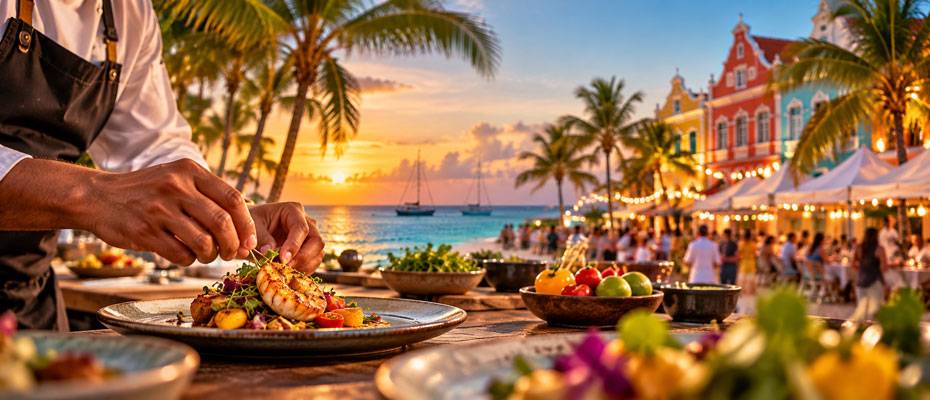
Aruba puts culinary tourism in the spotlight with Autentico 2026
Nine-day festival from October 3 to 11 brings international chefs together with Aruba’s culinary scene, including Restaurant Week and a two-day open-air event in Oranjestad
 Read the News
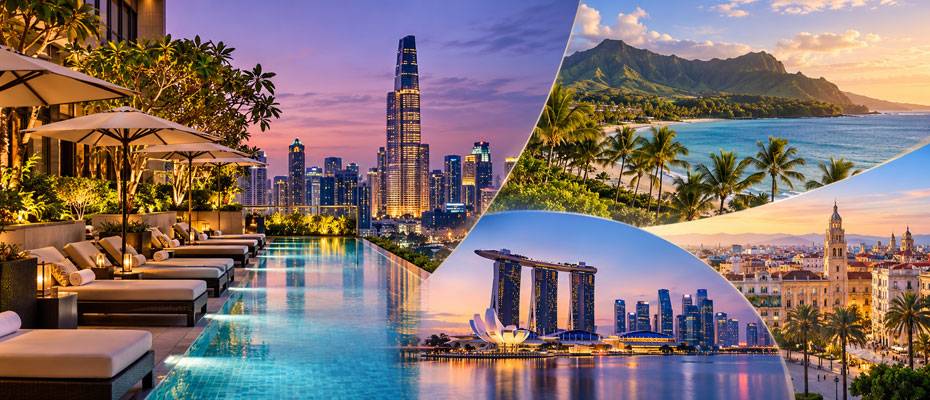
Hilton accelerates global hotel expansion this season
New openings from Kuala Lumpur and Singapore to Hawaii and Spain strengthen Hilton’s luxury, lifestyle and full-service portfolio
 Read the News

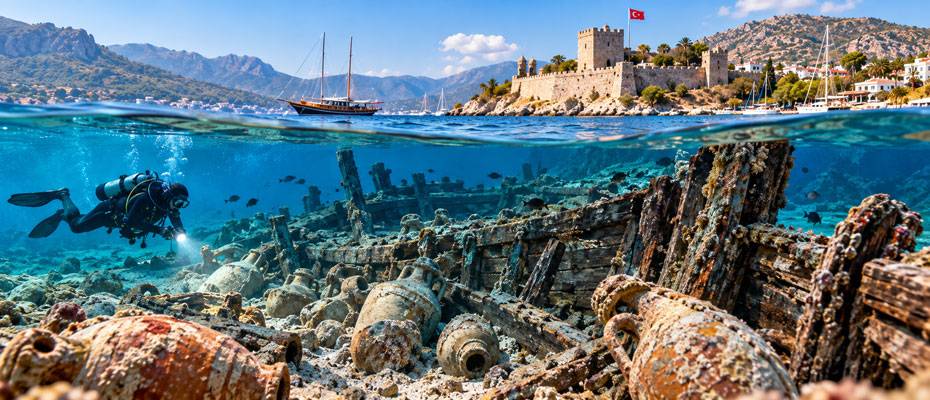
Türkiye’s underwater heritage reveals ancient Mediterranean trade routes
More than 430 shipwrecks have been documented along the Mediterranean coast, while new excavations and museum projects are bringing thousands of years of maritime history to a wider audience
 Read the News

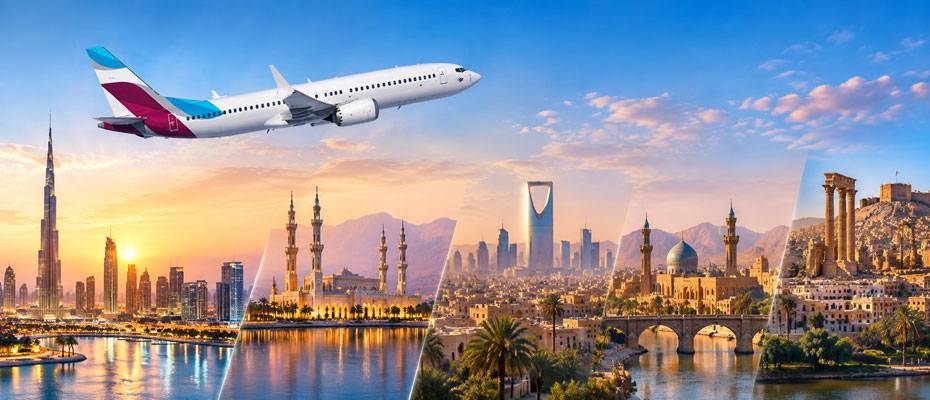
Eurowings expands Middle East network with new Baghdad flights
New services from Berlin and Düsseldorf will complement connections to Dubai, Jeddah, Tel Aviv, Beirut, Erbil and Amman in the 2026/27 winter schedule
 Read the News
TUI Blue puts holistic wellness at the centre of Asian escapes
TUI Blue Berawa in Bali and TUI Blue Angkor Grace in Cambodia combine yoga, recovery, healthy cuisine and local wellbeing traditions with a relaxed resort experience
 Read the News
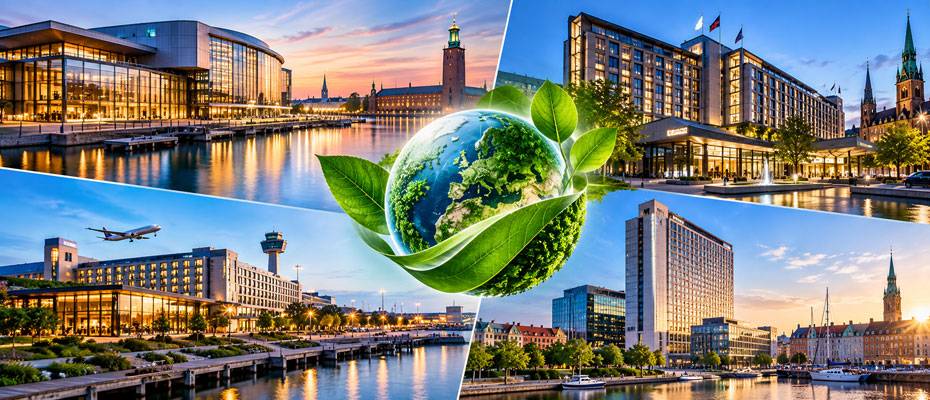
Radisson expands Verified Net Zero programme to major Nordic hotels
Four properties in Stockholm and Copenhagen join the programme as Radisson targets 100 independently verified net zero hotels worldwide by 2030
 Read the News
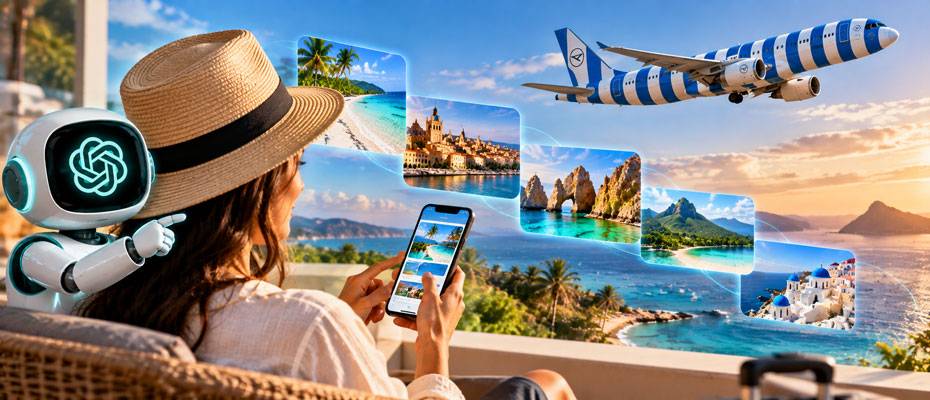
Condor brings flight search and travel inspiration into ChatGPT
The German airline has launched a ChatGPT app that combines destination discovery, fare comparison and live Condor flight options within a conversational interface
 Read the News

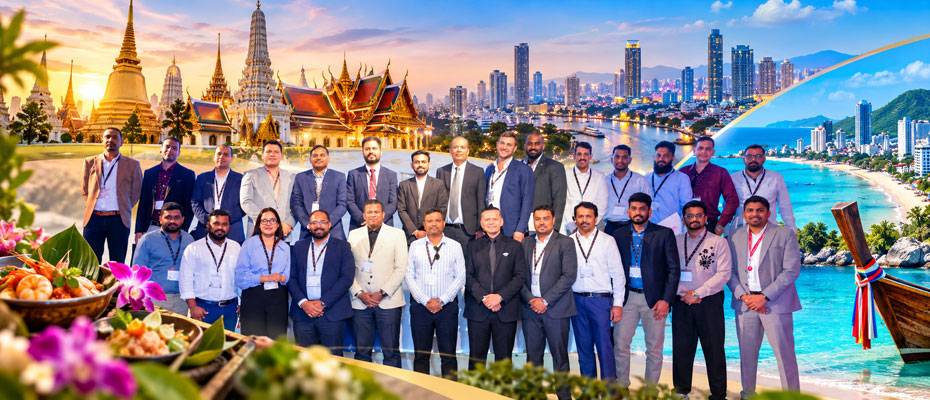
Thailand links Middle East travel trade with 80 tourism businesses
Forty representatives from the UAE and Saudi Arabia met Thai suppliers after a six-day product discovery programme in Pattaya, Hua Hin and Bangkok
 Read the News
Princess Cruises launches cruise planning app in ChatGPT
New integration allows travellers to search more than 330 destinations, compare itineraries and access current pricing and availability through natural-language conversations
 Read the News
Thailand turns gastronomy into travel sales in Madrid
Amazing Thailand Fest connected Thai food and culture with bookable holidays as Viajes El Corte Inglés supported the campaign through its nationwide sales network
 Read the News
Hyatt accelerates luxury expansion with focus on Mexico
New Park Hyatt, Alila, Unbound Collection and Grand Hyatt properties are expanding the group’s luxury and upscale resort portfolio across Mexico, Canada, the Caribbean and the United States
 Read the News
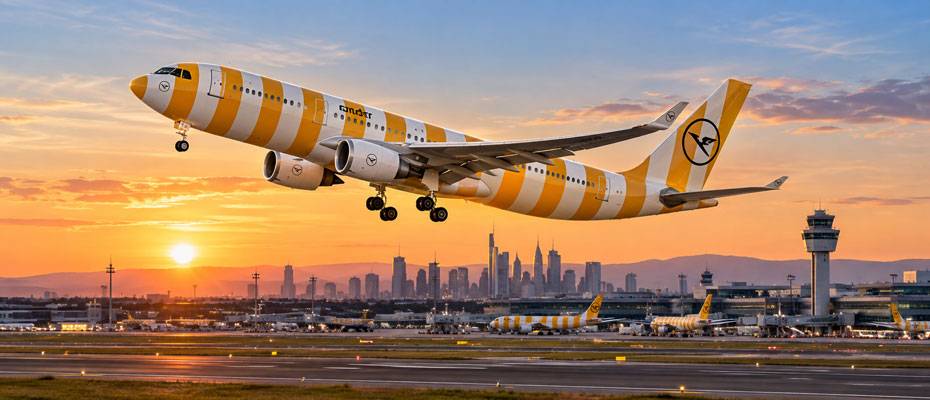
Germany: Condor reorganizes shareholder structure
Attestor will acquire the 49% stake previously held on behalf of the German Federal Government and the State of Hesse, with completion scheduled for August 2027
 Read the News
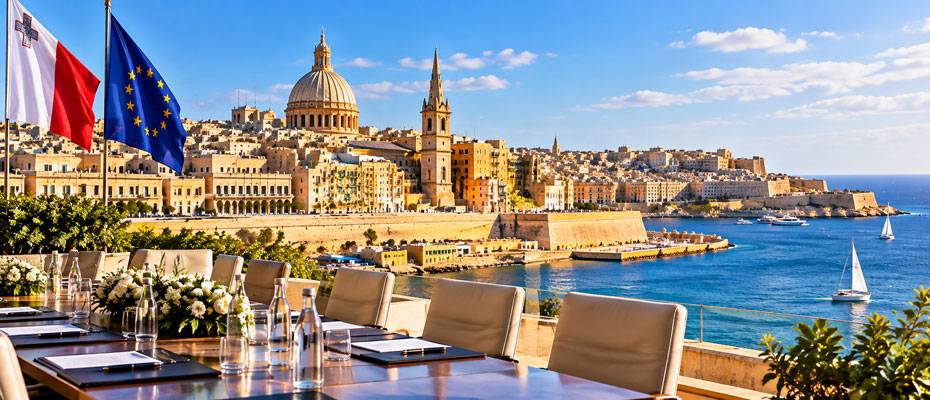
WTTC Global Summit in Malta brings together more than 100 industry leaders
The two-day event in Valletta will focus on AI, connectivity, investment, sustainability and workforce development while launching new initiatives for young talent and tourism SMEs
 Read the News
Spain: International flight capacity rises 6.4% in October
Airlines have scheduled nearly 12.8 million international seats to Spain, with Italy, Poland and Mexico recording particularly strong growth
 Read the News
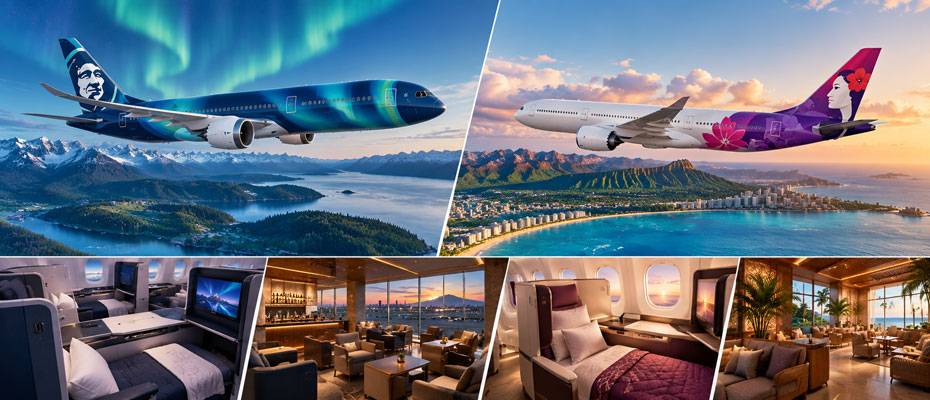
Alaska and Hawaiian unveil new premium travel concepts
Aurora and Leihōkū will introduce new lie-flat suites, premium economy cabins, lounges and upgraded dining as Alaska Air Group expands its premium offering from 2028
 Read the News
Hyatt Regency opens lakeside hotel in Jiaxing
The 201-room Hyatt Regency Jiaxing Nanhu expands Hyatt’s presence in China’s Yangtze River Delta with more than 4,500 square metres of meeting and event space
 Read the News
Indonesia puts gastronomy at the heart of its tourism strategy
Wonderful Indonesia Gastronomy 2026 brings chefs, producers and communities together in Solo and Yogyakarta as the country seeks to turn culinary heritage into a reason to travel
 Read the News
Matthias Spohr joins Eurowings Executive Board as COO
The former Lufthansa Aviation Training chief returns to Eurowings to oversee flight and ground operations, safety, training and technical fleet management
 Read the News
Wego and Abu Dhabi launch campaign to drive regional bookings
Partnership targets travellers across the Middle East and North Africa with data-driven marketing linked directly to bookable flights and accommodation
 Read the News
Germany steps up tourism push in fast-growing Indian market
Rising travel budgets, longer stays and strong visitor growth are prompting the German National Tourist Board to expand its cooperation with India’s travel industry
 Read the News
UAE: IHG brings Garner Hotels to the Middle East with two openings
Garner Hotels will debut in Dubai and Ras Al Khaimah in 2026, adding 285 rooms to IHG’s growing portfolio in the Emirates